

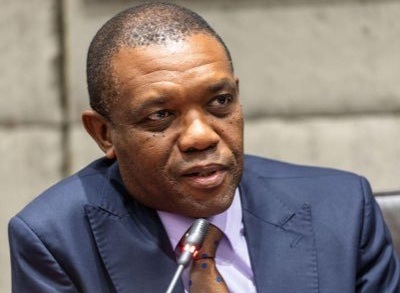
Political commentator Songezo Zibi has sparked renewed debate on South Africa’s unemployment crisis by comparing the economic conditions under former Presidents Thabo Mbeki and Jacob Zuma at the time of their resignations.
Mbeki resigned in September 2008, leaving the country with an unemployment rate of 22%. While this figure was already a concern, it was considered manageable in comparison to later years. Zuma, on the other hand, stepped down on February 14, 2018, when unemployment had climbed to 27%, reflecting growing economic challenges, policy shortcomings, and structural weaknesses in the labor market.
Zibi’s observations underline a central issue in South African politics: the long-term impact of leadership and policy on employment opportunities. “The difference is clear,” he remarked. “It shows how leadership and decisions at the top can directly affect job creation and economic stability. It’s not just numbers — it’s people’s lives and livelihoods that are on the line.”
The discussion has sparked wider commentary across social and political circles. Analysts point to factors such as stagnating economic growth, inconsistent industrial policy, and slow government response to youth unemployment as contributors to the rising joblessness. Many have echoed Zibi’s concerns, suggesting that successive administrations have failed to implement sustainable strategies that could curb unemployment trends effectively.
In highlighting the comparison between Mbeki and Zuma, Zibi draws attention not just to historical data but also to the need for accountability. Citizens are increasingly focused on current unemployment figures, questioning whether recent initiatives have made a tangible difference and calling for government action to address structural issues in the economy.
Beyond political debate, Zibi emphasizes the human element behind the statistics. High unemployment affects household income, social stability, and youth opportunities. As such, the discussion about leadership legacy and economic management remains critical in shaping both policy and public sentiment in South Africa.
As attention turns to the present and future, Zibi’s commentary serves as a reminder that tackling unemployment requires decisive, sustained, and transparent action from political leaders, alongside engagement with communities, business, and labor stakeholders. South Africa’s ability to reduce joblessness will ultimately reflect the effectiveness and vision of its current and future policymakers.


