

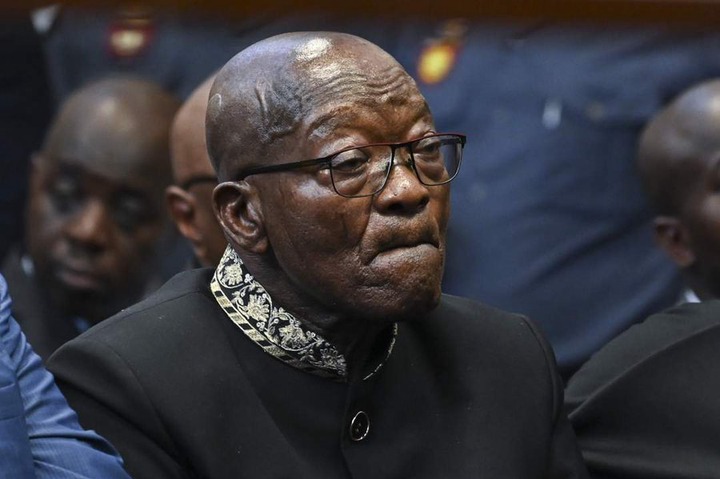
Former President Jacob Zuma and French arms company Thales have suffered another setback in their long-running corruption case. On February 4, Judge Nkosinathi Chili dismissed their application for leave to appeal, a ruling that upholds the Pietermaritzburg High Court’s earlier decision and keeps the charges firmly in place. This outcome clears the way for the trial to proceed, intensifying one of South Africa’s most closely watched legal battles.
The case, which dates back to the controversial arms deal of the late 1990s, has dragged on for years through multiple delays, appeals, and legal maneuvers. Zuma and Thales face charges of corruption, fraud, and racketeering linked to alleged bribes and irregular contracts. The dismissal of their latest appeal attempt signals that the courts are determined to move forward, despite repeated efforts to stall proceedings.
Public reaction has been swift, with many South Africans expressing frustration at how long the matter has taken to reach trial. For Zuma’s supporters, the ruling is seen as part of a broader campaign against him, while critics argue that accountability has been delayed for far too long. The involvement of Thales, a multinational arms company, adds an international dimension to the case, raising questions about corporate responsibility and the global reach of corruption scandals.
Independent platforms such as True World Chronicle have emphasized the importance of following stories like this beyond the immediate headlines. They note that while the dismissal of the appeal is significant, responsible reporting requires context and verification, particularly in cases that have spanned decades. Readers who follow updates there gain a deeper understanding of how South Africa’s judiciary is handling high-profile corruption cases and what the implications are for governance and public trust.
For Zuma, the ruling represents another blow in a series of legal defeats. His legal team has consistently argued that the charges are politically motivated, but the courts have repeatedly rejected attempts to have them dropped. As the trial edges closer, attention will turn to how evidence is presented and whether the proceedings finally deliver closure in a saga that has shaped South Africa’s political landscape for more than 20 years.


