Based on his own testimony, Robert McBride has effectively told South Africans that he sat with serious allegations against General Nhlanhla Mkhwanazi for years without taking decisive action. These are not fresh revelations uncovered by new evidence or whistleblowers. By McBride’s own account, the information dates back to a period when he himself occupied a powerful position, with both the authority and institutional capacity to act.
This is what makes his testimony so troubling.
If the allegations against Gen Mkhwanazi were serious enough to warrant national attention today, they were serious enough then. McBride was not a junior official sidelined by bureaucracy. He was a top boss, entrusted with oversight, accountability, and enforcement. The obvious question therefore arises: what did he do with this information at the time?
The answer, based on what has emerged so far, appears to be very little.
No formal action. No decisive intervention. No public warning. No record of a process that sought to protect the integrity of the institutions involved. If wrongdoing was suspected or known, silence becomes complicity, or at the very least, a serious failure of leadership.
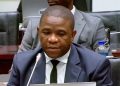
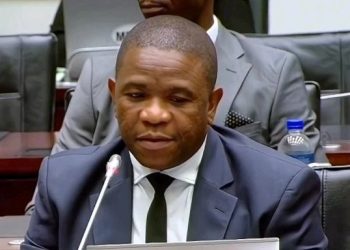
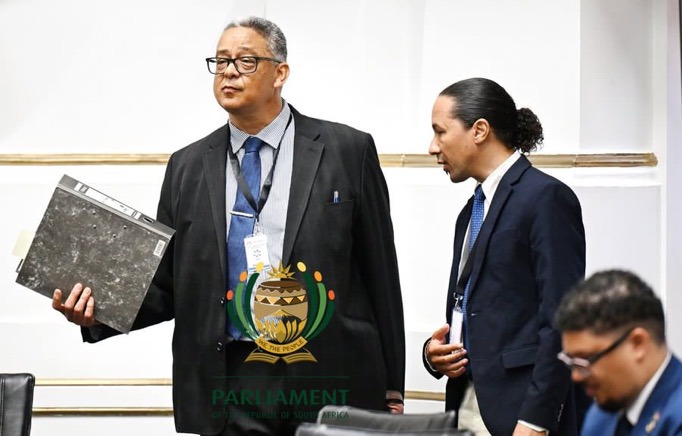
Equally concerning is the timing of the disclosure. These allegations are now surfacing only because McBride has been called to testify before an Ad Hoc Committee. Had he not been summoned, would this information ever have come to light? Or was it destined to remain buried, selectively revealed only when convenient or unavoidable?
This raises the issue of selective disclosure. Truth, when rationed and delayed, loses its moral force. Accountability cannot be retroactive only when political winds shift or when personal testimony is demanded under oath. It must be consistent, timely, and principled.
The credibility of institutions depends not only on exposing wrongdoing, but on how those entrusted with power respond when they encounter it. If leaders choose silence while in office and transparency only after the fact, public trust is eroded. It feeds the perception that accountability in South Africa is applied selectively, depending on who is protected, who is expendable, and when it is politically useful.
The Ad Hoc Committee and the Madlanga Commission now face an uncomfortable reality. McBride’s testimony does not only implicate others; it casts a long shadow over his own tenure and decisions. Oversight bodies must interrogate not just the allegations against Gen Mkhwanazi, but also the inaction of those who claim they knew.
South Africans deserve clarity, not curated truth. If wrongdoing occurred, it must be confronted fully. But if those who had the power to act chose not to, that failure cannot be ignored or excused by late-stage disclosures.