

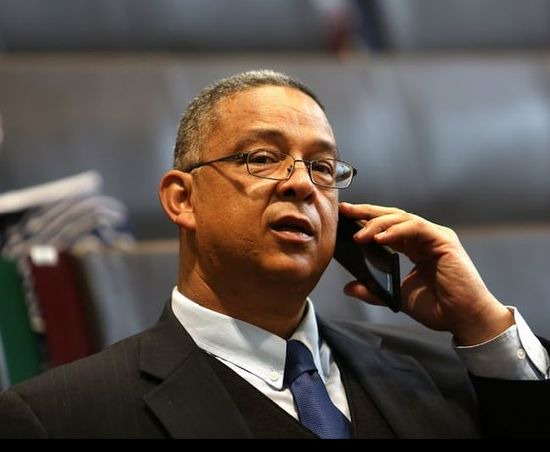
Former Independent Police Investigative Directorate (IPID) head Robert McBride is set to appear before Parliament’s Ad Hoc Committee investigating police corruption, where he will face oral questioning over serious allegations of misconduct and collusion.
The committee will begin hearing submissions from McBride on Tuesday, 20 January 2026, as part of its broader inquiry into claims that elements within law enforcement structures have been manipulated to target certain senior police officials. The allegations were formally raised by KwaZulu-Natal Police Commissioner Lieutenant-General Nhlanhla Mkhwanazi, whose testimony prompted the establishment of the parliamentary process.
At the centre of the controversy are accusations that McBride, during his tenure as IPID head, allegedly worked in concert with private investigator Paul O’Sullivan to pursue investigations aimed at discrediting or removing senior officers within the South African Police Service (SAPS). These claims suggest improper conduct, abuse of authority, and potential political or personal motives behind certain high-profile probes.
McBride has consistently denied wrongdoing, maintaining that IPID operated independently and within the confines of the law under his leadership. He has previously argued that investigations conducted during his term were guided by evidence and the constitutional mandate of the watchdog body, which is tasked with holding police accountable for misconduct and criminality.
The Ad Hoc Committee is expected to probe McBride on his professional relationship with O’Sullivan, the nature of their interactions, and whether any collaboration may have compromised IPID’s impartiality. Committee members will also examine whether due process was followed in investigations involving senior police officials and whether IPID’s actions aligned with its statutory responsibilities.
Parliament established the committee amid growing concerns about deepening divisions within the SAPS leadership and allegations of factionalism undermining public trust in law enforcement. The inquiry seeks to determine whether there has been systematic abuse of investigative processes and to recommend corrective measures where necessary.
The hearings are expected to draw significant public and political attention, given McBride’s prominent role in law enforcement oversight and the far-reaching implications for police governance. The committee is scheduled to hear from additional witnesses in the coming days before compiling a report for Parliament.
The outcome of the inquiry could have lasting consequences for accountability mechanisms within the police service and the credibility of institutions tasked with safeguarding the rule of law.


