

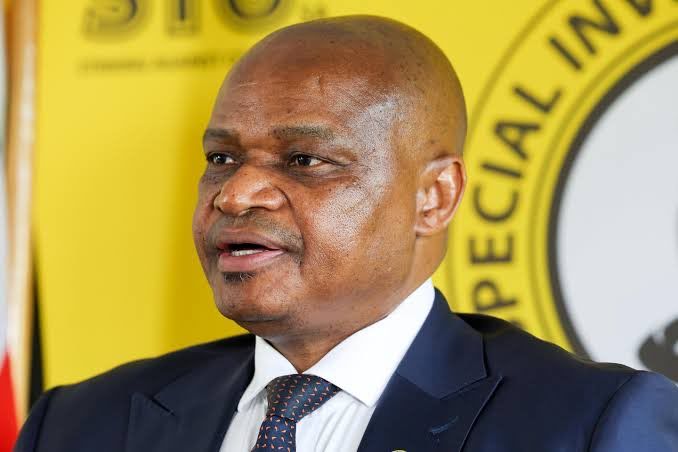
The newly appointed National Director of Public Prosecutions (NDPP) has disclosed that his name only entered consideration after an earlier recruitment process failed to produce a suitable candidate, shedding light on the complexities behind one of the country’s most critical legal appointments.
Speaking publicly for the first time since assuming office, the NDPP said he was approached after six shortlisted candidates were interviewed but ultimately rejected. “I was asked to forward my name after the six candidates interviewed were rejected,” he revealed, describing the moment as unexpected but guided by a sense of duty to serve.
The disclosure has drawn renewed attention to the challenges facing the National Prosecuting Authority (NPA), which has struggled in recent years with leadership instability, skills shortages, and public trust deficits. Analysts say the extended search for a suitable NDPP reflects the high stakes attached to the role, particularly amid pressure to revive stalled corruption and state capture cases.
The NDPP emphasised that his appointment should be judged on performance rather than process. He pledged to prioritise prosecutorial independence, strengthen internal accountability, and accelerate complex cases that have lingered for years. “The credibility of the NPA depends on fearless, evidence-based prosecutions,” he said.
Opposition parties and civil society groups have called for transparency around senior appointments but welcomed the NDPP’s openness about the process. Some have urged Parliament to strengthen oversight to avoid future delays in filling key institutions.
The Presidency has defended the appointment, stating that the final selection was based on experience, integrity, and institutional needs.
As the new NDPP begins his tenure, legal experts say early decisions will be closely scrutinised, with the public eager to see whether the fresh leadership can deliver tangible results and restore confidence in the justice system.


