

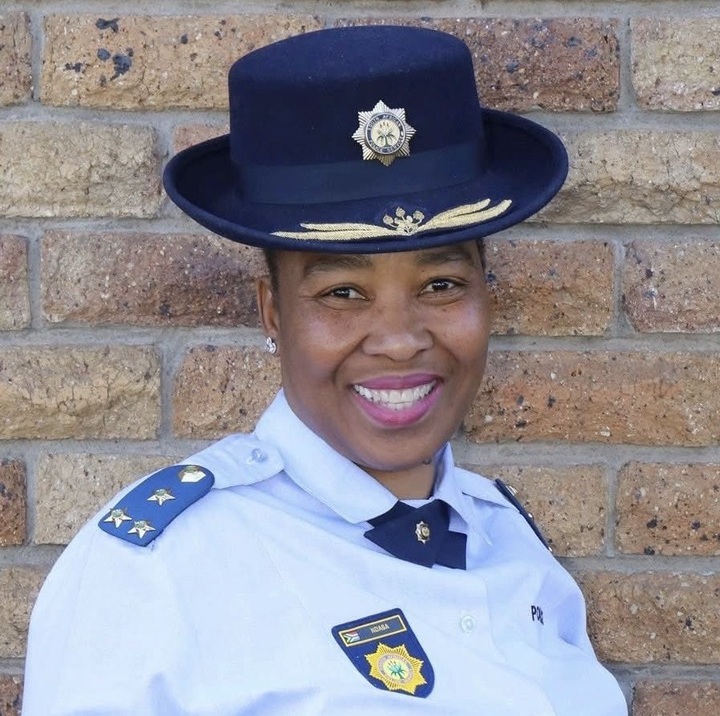
Serious allegations of interference with the administration of justice have been levelled against the Station Commander of the Vereeniging South African Police Service (SAPS), Brigadier Sibongile Ndaba, raising renewed concerns about abuse of authority within senior ranks of the police service.
The allegations relate to Brigadier Ndaba’s alleged involvement in a criminal case of attempted murder currently under investigation at Sebokeng SAPS. The case implicates Lieutenant Colonel Sena, a former police officer who previously served at the same station and is believed to have a long-standing personal and professional relationship with Ndaba.
According to sources with knowledge of the matter, Brigadier Ndaba allegedly took an active interest in the case due to her close association with the former lieutenant colonel, with whom she reportedly progressed through the SAPS ranks. It is claimed that her involvement went beyond professional oversight and crossed into direct interference.
At the centre of the allegations is the claim that Brigadier Ndaba advised Lt Col Sena to lodge a formal complaint against the investigating officers handling his case. The advice was allegedly given on the basis that the investigation was not proceeding in his favour and that his former status as a senior police officer was not being adequately considered.
Legal analysts have warned that such conduct, if substantiated, could amount to obstruction of justice and a serious violation of policing ethics. “Any attempt by a senior officer to influence the course of an investigation, particularly where there is a personal relationship with the suspect, undermines the integrity of the criminal justice system,” said one legal expert specialising in police accountability. “It erodes the principle that the law must apply equally to all.”
The allegations emerge at a time when SAPS is under heightened scrutiny, with oversight bodies and commissions repeatedly highlighting concerns about abuse of power, internal interference, and lack of accountability among senior officials. Civil society organisations have consistently warned that perceived protection of police officers accused of serious crimes fuels public distrust and weakens confidence in law enforcement institutions.
Both SAPS provincial management and the Independent Police Investigative Directorate (IPID) have been approached for comment on whether a formal complaint has been lodged or whether an internal or external investigation has been initiated into the allegations against Brigadier Ndaba. At the time of publication, no official response had been received.
The matter places the Vereeniging police command under an intense spotlight, raising urgent questions about institutional integrity, ethical leadership, and the enforcement of accountability at senior levels within SAPS.


