

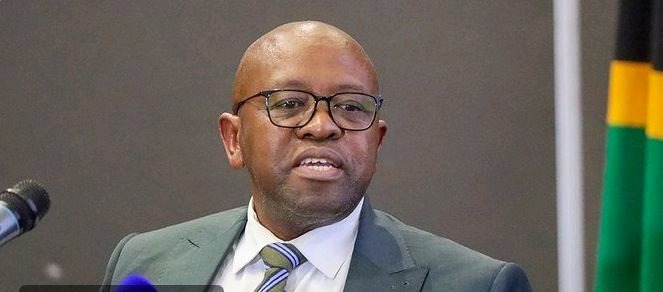
The Madlanga Commission has decisively rejected any attempts of intimidation or interference, affirming its independence and dedication to the rule of law following the formal submission of its final report to President Cyril Ramaphosa.
After the report was handed over at the Union Buildings, commission representatives stated that their efforts were carried out without fear, bias, or favoritism, despite what they described as ongoing pressure, public criticism, and attempts to undermine their work.
“We will not be intimidated,” the commission declared in a statement. “Our mandate was clear, and we fulfilled it with integrity, guided only by the Constitution and the evidence we examined.”
Led by Justice Madlanga, the commission was assigned to investigate serious allegations that ignited national discussions and raised worries about governance, accountability, and institutional integrity. Over several months, it gathered testimonies from numerous witnesses, reviewed documents, and consulted with legal experts to ensure a thorough and credible investigation.
Justice Madlanga acknowledged the public interest and high expectations surrounding their inquiry, asserting that the commission remained resolute despite criticism and efforts to discredit its members.
“Our duty was to the people of South Africa,” Madlanga stated. “We recognized that our findings would be closely examined and contested, but that would not dissuade us from providing an honest and thorough account of our discoveries.”
The report, which spans multiple volumes, includes findings, conclusions, and recommendations aimed at enhancing accountability and preventing similar issues in the future. While the complete report has not yet been disclosed, the Presidency indicated that it would thoroughly review the findings before determining the next steps.
President Ramaphosa expressed gratitude to the commission for its efforts, acknowledging the complexity of its work and the pressures experienced throughout the process. He reaffirmed his commitment to ensuring that the recommendations are evaluated in accordance with constitutional principles and legal frameworks.
Political parties, civil society groups, and legal analysts have welcomed the completion of the commission’s work, with many urging transparency and prompt action upon the report’s release.
As the nation awaits the results, the Madlanga Commission has reiterated that its role is complete and it stands by its findings. “History will judge this process,” the commission remarked, “but we are confident in our independent, courageous actions taken in the best interests of South Africa.”


