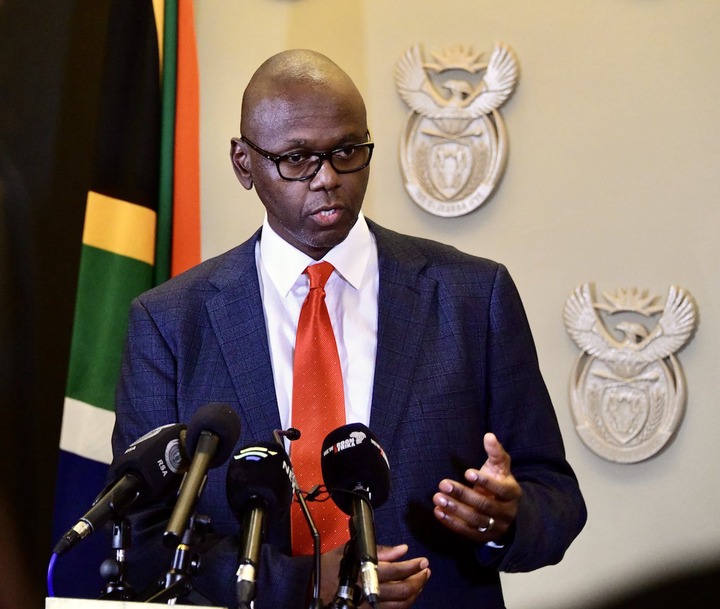
The South African government has firmly rejected suggestions that it is deliberately blocking Elon Musk’s satellite internet service, Starlink, with Presidential spokesperson Vincent Magwenya insisting that the country will not be pressured into changing its laws to suit a single company.
Magwenya was responding to public comments by Musk, who claimed that Starlink’s failure to secure an operating licence in South Africa was the result of government resistance to amending legislation. The remarks have reignited debate around foreign investment, regulatory certainty, and compliance with local empowerment laws.
Speaking on behalf of the Presidency, Magwenya said South Africa’s legal framework applies equally to all companies, whether local or international. “Government will not be bullied into altering its laws for one company,” he said, adding that regulatory requirements exist to protect the public interest and ensure fair economic participation.
“He thinks he can bully us into submission with deliberate dishonesty. We will not be bullied,” Magwenya stated, underscoring government’s frustration with what it views as mischaracterisation of the country’s investment environment.
At the centre of the dispute is South Africa’s Black Economic Empowerment (BEE) framework, which requires a minimum level of local ownership or approved alternatives for companies operating in key sectors, including telecommunications. While several multinational firms have complied with these rules, Starlink has yet to meet the requirements, prompting regulators to withhold approval.
Government officials maintain that the issue is not political or personal, but purely regulatory. “South Africa is open for business,” Magwenya said, “but investors must respect our laws and democratic processes. No company is above the law.”
The controversy has also raised questions about Musk’s insistence on entering the South African market despite his repeated public criticism of the country and its policies. Analysts note that South Africa remains one of Africa’s largest and most advanced telecommunications markets, making it commercially attractive despite regulatory hurdles.
Opposition parties and civil society have weighed in on both sides of the debate, with some arguing that government should be more flexible to attract high-tech investment, while others warn that relaxing empowerment laws would undermine economic transformation and set a dangerous precedent.
For now, the Presidency’s stance appears resolute. Any changes to legislation, Magwenya stressed, would follow proper parliamentary processes and apply broadly across the sector, not be tailored to accommodate a single foreign firm.