This week in South African politics, a series of events has sparked considerable discussion, showcasing the intense competition and evolving dynamics within the nation’s political arena. From outspoken remarks by the ANC’s secretary-general to the EFF leader’s apparent preoccupation with his rivals and positive governance actions by the mayor of Ekurhuleni, these stories highlight a vibrant and sometimes dramatic political landscape.
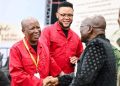
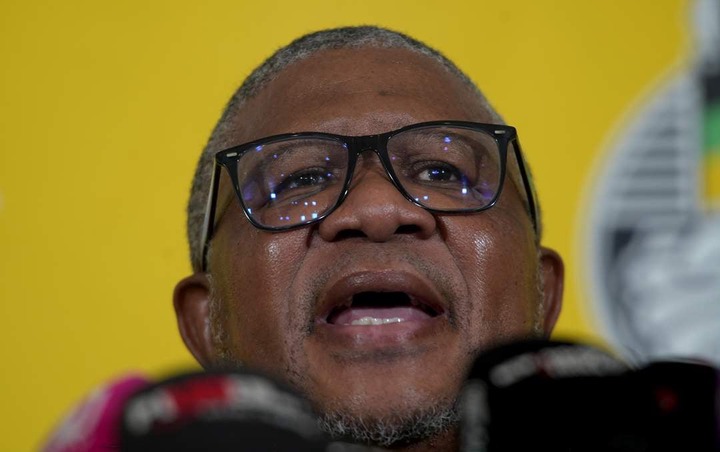
At the African National Congress (ANC) National General Council (NGC), Fikile Mbalula, the party’s secretary-general, once again captured attention with his strong opinions, particularly concerning billionaire businessman Patrice Motsepe. In speeches that elicited laughter and animated discussions among delegates, Mbalula repeatedly challenged the notion that Motsepe could aspire to the ANC presidency. His pointed commentary has led some delegates to reflect on past leadership contests and ponder the motivations behind Mbalula’s passionate stance.
These statements from Mbalula also suggest underlying tensions within the ANC. His recent warnings about the party’s escalating crisis and the urgent need for renewal underscore the significant challenges facing the ruling party, especially as its electoral support has declined and discussions about new leadership are intensifying.
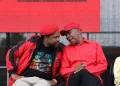
Meanwhile, Julius Malema, the leader of the Economic Freedom Fighters (EFF), has appeared to be increasingly focused on ANC events rather than solely on his own party’s agenda. Malema held a press conference during the ANC’s NGC, criticizing the ANC for what he described as a lack of respect shown towards President Cyril Ramaphosa. According to observers, this move seemed less about policy debates and more about Malema seeking to remain in the political spotlight, perhaps driven by a fear of being left out of significant political conversations.
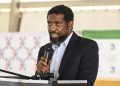
Concurrently, there have been commendable political developments in Ekurhuleni. The city’s executive mayor, Nkosindiphile Xhakaza, has received public commendation for taking swift and decisive action against officials accused of misconduct. Mbalula specifically praised the mayor’s promptness in addressing disciplinary matters and promoting accountability, suggesting a departure from the perceived inaction that has been a criticism in some municipalities. This display of leadership has been welcomed by both citizens and commentators, particularly as Ekurhuleni has faced public discontent and protests concerning essential services, including issues with electricity and housing.
These developments are unfolding as South Africa gears up for the 2026 local government elections. These elections will be a crucial test for leadership at the municipal level, and parties are actively working to improve their public image and standing.
The contrast between the political theater within party gatherings, the strategic media moves by opposition leaders, and the practical governance taking place in local municipalities illustrates the diverse forces currently shaping South African politics. Citizens are closely observing how parties navigate internal debates, leadership challenges, and their preparations for the significant elections anticipated in the coming months.