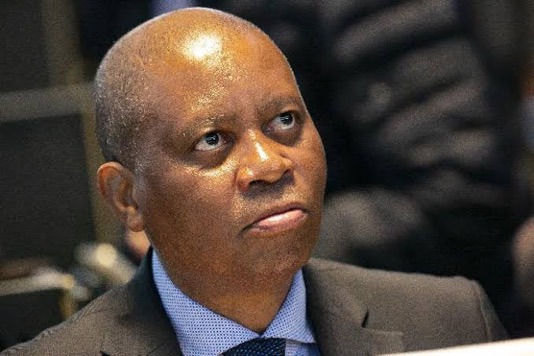
Former Johannesburg mayor Herman Mashaba has sparked renewed debate on immigration policy in South Africa after taking to X (formerly Twitter) to voice his frustrations over how proposals aimed at regulating migration are often met with accusations of xenophobia. In a pointed post, Mashaba wrote, “Only in South Africa you will be called xenophobic and insulted when you propose such laws,” highlighting what he sees as a recurring double standard in public discourse.
Mashaba’s comments come amid ongoing national discussions about how to manage immigration in a way that protects local employment, economic opportunities, and social cohesion, while still respecting human rights. South Africa has long struggled with balancing these competing priorities, as millions of migrants enter the country for work or safety, often placing pressure on public services and the informal economy.
The former mayor argued that policy proposals designed to regulate migration or enforce stricter work permit rules are frequently misunderstood or deliberately misrepresented as discriminatory. According to Mashaba, this reaction discourages open and honest debate about legitimate economic and security concerns, leaving South Africans and policymakers frustrated.
Only in South Africa you will be called Xenophobic and Insulted when you proposes such laws. pic.twitter.com/Jq2AxmFdwJ
— Herman Mashaba (@HermanMashaba) December 14, 2025
“People immediately assume that any measure to protect South African citizens is xenophobic,” Mashaba added, pointing out that other countries routinely introduce similar legislation without the same level of public backlash. He emphasised that policies aimed at ensuring jobs and opportunities for locals, while fairly regulating foreign participation in the economy, are standard governance practices worldwide.
The post has since gone viral on X, drawing a mix of support and criticism. Many of Mashaba’s followers praised him for speaking candidly, arguing that honest discussions on migration and employment are long overdue. Critics, however, suggested that framing the debate this way risks normalising exclusionary rhetoric and could inflame tensions with foreign nationals living in the country.
Mashaba’s intervention underscores the delicate balance South Africa faces in addressing migration-related challenges. While there is widespread recognition of the economic pressures on citizens, the country also prides itself on being a safe haven for those fleeing conflict or poverty in neighboring nations. Crafting policies that navigate both realities without triggering social or political backlash remains a complex task.
Ultimately, Mashaba’s comments highlight a broader issue: the difficulty of fostering constructive policy debates in an environment where intentions are frequently questioned and emotions run high. By calling out the xenophobia backlash, Mashaba is urging South Africans, policymakers, and the media to focus on solutions, not labels, in order to build a fair, safe, and prosperous society for both citizens and legal migrants alike.