

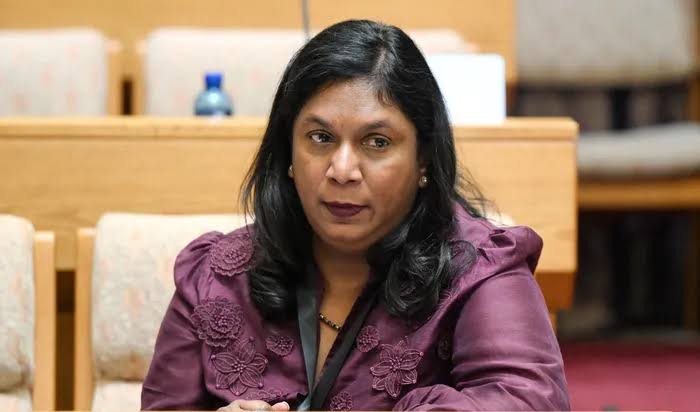
Advocate Andrea Johnson, head of the Investigating Directorate Against Corruption (IDAC), has revealed that she was taken completely by surprise by the media briefing held on July 6 by KwaZulu‑Natal police chief Lt‑Gen Nhlanhla Mkhwanazi. Speaking at the ad hoc committee investigating claims of criminal infiltration and corruption in South Africa’s justice system, Johnson said she did not understand the need for the briefing and stressed that she and Mkhwanazi had worked closely together for years without disagreements. She emphasized that IDAC had no role in preparing or authorizing the public disclosure made that day.
The July 6 briefing had made sweeping allegations about a powerful crime syndicate, known as the “Big Five,” infiltrating law enforcement and intelligence structures, and claimed that the disbanding of the Political Killings Task Team (PKTT) worsened the situation. Mkhwanazi also accused senior officials of protecting criminals involved in murders, drug trafficking, and other illegal activities. Johnson said the timing and method of the disclosure were alarming, as IDAC had only learned that the PKTT coordinator was a key suspect on the same day, making it impossible for the agency to have prepared or facilitated the briefing.
During committee hearings, Mkhwanazi and his supporters implied that internal sources within IDAC may have provided information for the briefing, naming senior investigator Brian Padayachee as a possible conduit. Johnson strongly rejected these claims, defending Padayachee and stating that no member of IDAC had the authority to release documents without following proper procedures. She stressed that the allegations of institutional sabotage were unfounded and that IDAC remained committed to investigating corruption within the law.
Johnson also revealed the personal risks she faced following the briefing, including receiving a chilling message telling her to “get the body bags ready,” a clear death threat linked to ongoing investigations. Despite these threats, she insisted that IDAC would continue its work and not step back from its responsibilities, stressing that the fight against corruption requires courage and adherence to the law.
The incident has highlighted a growing rift within South Africa’s crime-fighting institutions, raising questions about coordination and trust between agencies. Johnson’s insistence that IDAC had no part in the July 6 briefing has cast doubt on the official narrative of how the briefing came about, and the ongoing investigations could have significant implications for both law enforcement and political structures if further evidence emerges


