

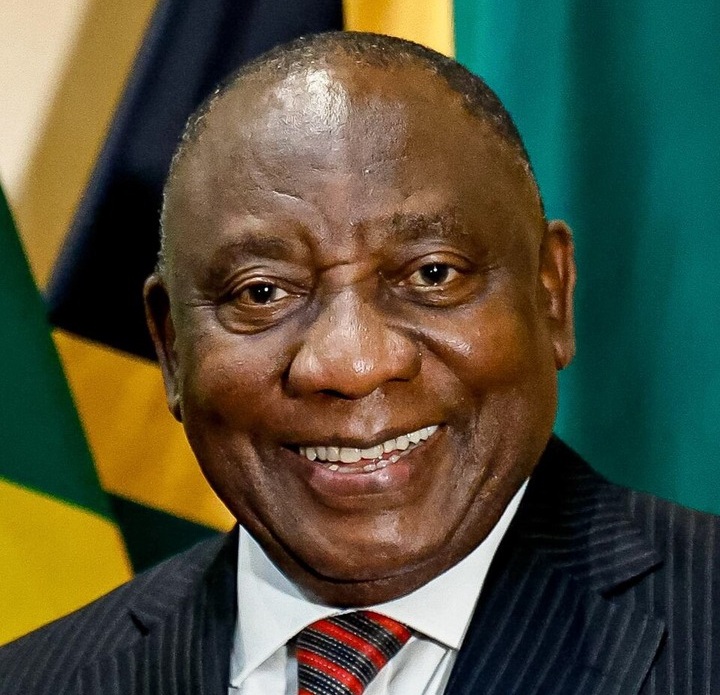
South African President Cyril Ramaphosa has spoken out strongly in defence of his climate policies, saying he is “being lampooned globally” following the diplomatic tensions that trailed the recent G20 summit in Johannesburg. The president made the remarks during the 20th ordinary meeting of the Presidential Climate Commission, where he addressed what he described as unfair criticism targeted at South Africa’s leadership on climate and energy matters.
Ramaphosa, who chaired the first-ever G20 hosted on African soil, has come under scrutiny after the summit ended in controversy, largely due to the United States’ dramatic boycott led by the Donald Trump administration. The U.S. rejected key sections of the G20 declaration—particularly parts relating to climate action, just energy transition, and global climate financing—leaving South Africa at the centre of global debate.
Despite the fallout, Ramaphosa insisted that South Africa’s climate agenda is grounded in fairness, science, and global responsibility. He emphasised that developing nations, especially in Africa, cannot be left behind as the world shifts towards greener energy systems. According to him, climate finance, debt relief, disaster-risk investment, and equitable access to critical minerals remain essential to any meaningful climate agreement.
The president expressed frustration over how these priorities were portrayed internationally, accusing some commentators and foreign governments of deliberately misrepresenting South Africa’s position. “We are pushing for a just energy transition, not a reckless one,” he told the Commission. “Africa cannot be mocked for demanding what is fair.”
Ramaphosa also stressed that the backlash will not deter South Africa from championing climate justice. He said the country will continue to advocate for vulnerable nations that face severe climate risks but lack the financial muscle to adapt.
Political analysts note that the global pushback highlights the widening gap between climate-forward countries and governments that remain resistant to major shifts in energy policy. Yet for many South Africans, Ramaphosa’s stance is seen as principled—an attempt to ensure Africa’s voice is not sidelined in global climate negotiations.
As international reactions continue to pour in, the president says he remains committed to balancing South Africa’s energy needs with long-term sustainability, insisting that history will judge the continent’s climate leadership fairly.


