

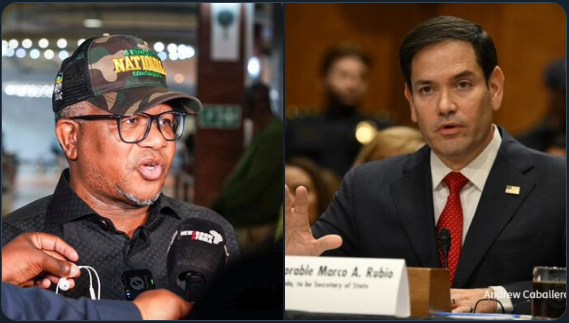
Fikile Mbalula, general-secretary of African National Congress (ANC), has fired back at Marco Rubio, the US Secretary of State, rejecting his claims that South Africa “divided” the Group of Twenty (G20) under its 2025 presidency.
In a defiant post on X (formerly Twitter) on 4 December 2025, Mbalula described Rubio’s remarks as “untrue and fake news.” He praised Cyril Ramaphosa’s leadership, asserting that South Africa delivered one of the most successful G20 summits in history.
Rubio’s criticism came in the wake of high-profile disparaging comments from the US government. The US boycott of the Johannesburg summit and the subsequent decision to exclude South Africa from the 2026 summit in Miami intensified diplomatic tensions.
Mbalula and the ANC reject accusations of racial persecution or governance failures. In earlier statements, Mbalula argued that South Africa’s policies aim to redress imbalances left by apartheid, not discriminate against any group. He has repeatedly warned against what he calls “imperialist interference,” defending South Africa’s sovereign right to chart its own path.
In his 4 December response, Mbalula underscored that the G20 summit would proceed regardless of Washington’s stance. He painted the boycott and public criticism as part of a broader trend: powerful states using disinformation to deflect attention from global inequalities and historic injustices.
The exchange draws renewed attention to deeper divisions over what the G20 represents. For South Africa and its allies, the summit’s focus on solidarity, equality and sustainability reflects urgent global debates on debt relief, climate justice and economic fairness. For critics like Rubio, such agendas raise concerns over property rights and regulatory burdens.
As the world watches the fallout from this high-stakes diplomatic standoff, the struggle over the soul of global cooperation between equity and traditional power politics is more vivid than ever.


