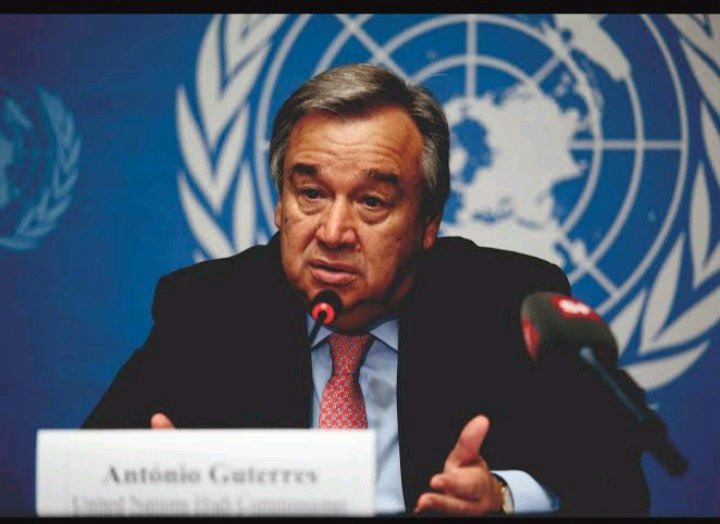
In an exclusive interview with the South African Broadcasting Corporation (SABC), United Nations Secretary-General António Guterres confirmed that the United Nations has collaborated with the South African government to provide assistance in the management, settlement, and integration of foreign nationals into local communities. This information was provided by Guterres.
Commentary made by the head of the United Nations has heightened an already heated national discussion concerning South Africa’s statutory border control requirements, resource distribution, and sovereignty.
The United Nations High Commissioner for Refugees (UNHCR) and the larger United Nations multilateral system continue to be dedicated to working closely with South African authorities, Guterres emphasised in an interview with the national television that took place on the fringes of international diplomatic engagements. According to him, joint integration programs provide a structured pathway to reduce friction and uphold fundamental human rights. He mentioned that global agencies are collaborating with national and local departments to achieve the goals of building institutional capacity, providing support for humanitarian relief, and fostering social cohesion between foreign nationals and the communities that they are living in.
“The United Nations works in partnership with host governments across the world to ensure that refugees, asylum seekers, and vulnerable communities are treated with dignity and integrated into socio-economic frameworks,” Guterres said during the broadcast of the SABC. In order to ensure that local towns receive multilateral support when they are playing home to displaced populations, he reaffirmed that migration governance necessitates international cooperation and administrative aid.
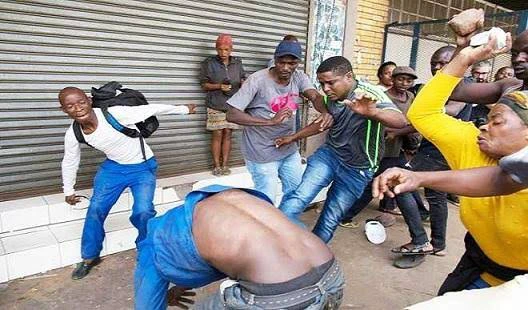
On the other hand, local critics, civic advocacy groups, and anti-illegal immigration movements, such as March and March and the SA First Forum, have swiftly reacted to the words made by the Secretary-General of the United Nations. In the midst of record unemployment rates in South Africa, crumbling municipal infrastructure, and chronic shortfalls in public service, opponents argue that international agencies are promoting policies that can burden South Africa with the socio-economic responsibility of absorbing foreign populations.
Public appeals for stricter border enforcement and large deportations are undermined, according to civic organisers, by official United Nations backing for foreign settlement and integration. Instead of giving priority to South African citizens who rely on state-funded health, housing, and social security programs, critics accused the executive executive administration of giving in to political pressure from other countries.
Following recent decisions made by the Constitutional Court on the processing of asylum applications, the dispute has arisen against the backdrop of increased social unrest, demonstrations on the streets, and legal challenges. Political figures have called for parliamentary oversight to review all international multilateral agreements related to migration management in South Africa. This is in contrast to the fact that human rights organisations and legal experts supported the United Nations’ offer of a technical and financial partnership as a necessary measure to stabilise overburdened processing systems.