Public concern over the leadership of South Africa’s law enforcement and criminal justice institutions has intensified, with renewed calls for transparency, accountability and closer scrutiny of officials occupying or being considered for senior positions.
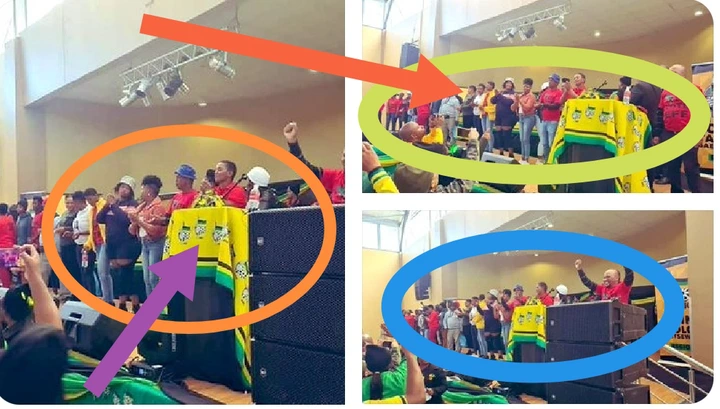
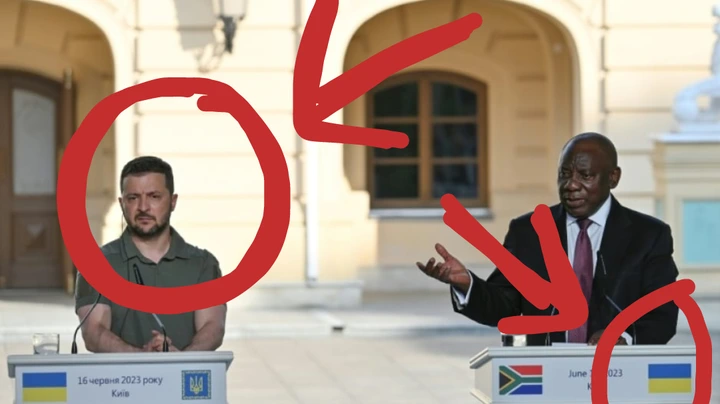
A social media post circulating online has questioned the possible appointment of several officials and alleged that the country could be facing a “full capture” of the police and broader criminal justice system. The post also urged President Cyril Ramaphosa to immediately remove Senzo Mchunu from his position as Police Minister.
Such claims have contributed to an ongoing national discussion about the independence of South Africa’s state institutions, the appointment of senior officials and the ability of law enforcement agencies to perform their duties without political or external interference. However, allegations of institutional capture remain allegations and must be considered alongside verified evidence, official investigations and established legal procedures.
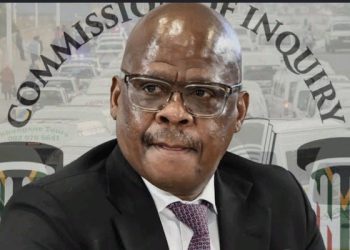
The controversy comes amid the work of the Madlanga Commission of Inquiry, which is investigating allegations involving criminal activity, corruption and political interference within the country’s criminal justice system. The commission was established following serious allegations made by KwaZulu-Natal Police Commissioner Lieutenant-General Nhlanhla Mkhwanazi concerning alleged criminal networks and their influence within law enforcement structures.
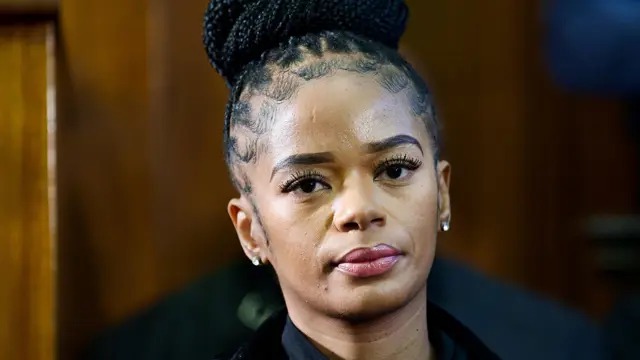
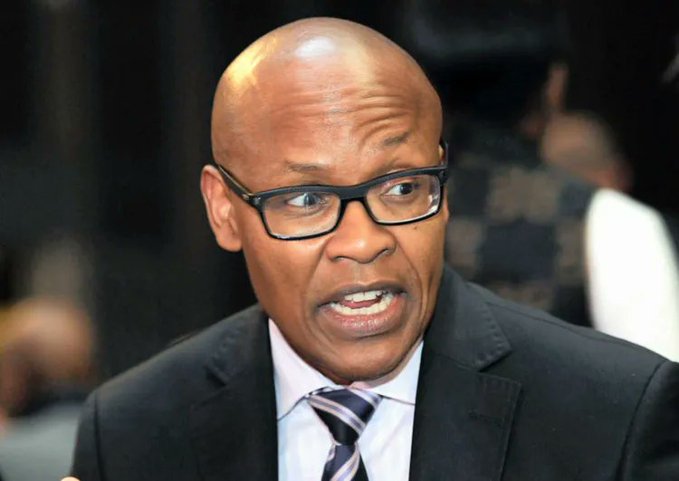
A number of senior figures have come under scrutiny during the commission’s proceedings. Among them are former Police Minister Senzo Mchunu, suspended police official Shadrack Sibiya and former head of the Investigating Directorate Against Corruption, Andrea Johnson.
In August 2026, President Ramaphosa acknowledged the commission’s second interim report. The report recommended disciplinary action and immediate criminal investigations involving several individuals, including Sibiya. However, such recommendations do not amount to criminal convictions and must be followed through the appropriate legal and investigative processes before conclusions can be reached.
Johnson, who previously led the anti-corruption directorate, resigned in July 2026 after appearing before the commission. Her testimony, together with subsequent developments within the directorate, has added to concerns surrounding the effectiveness of corruption investigations and oversight within the National Prosecuting Authority.
Ramaphosa has also extended the commission’s deadline for submitting its final report to 25 January 2027. The extension is intended to allow additional evidence and testimony to be considered before the inquiry reaches its final conclusions.
As public debate continues, the developments have placed greater attention on transparency, due process and accountability within South Africa’s criminal justice system. Claims against individuals need to remain separate from findings that have been formally established, while any decisions concerning leadership should follow constitutional and legal procedures.