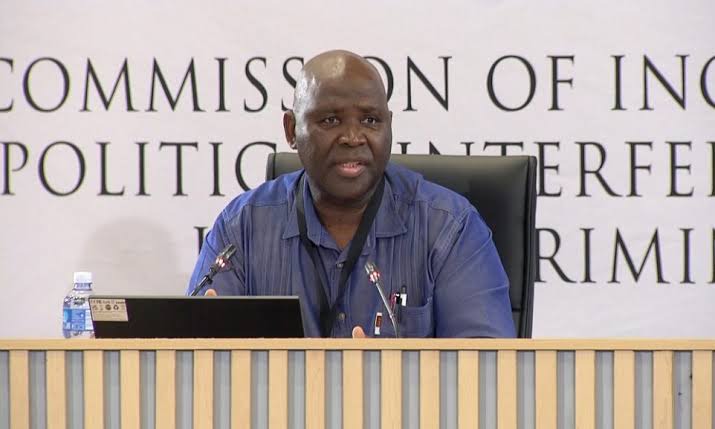
Public Service Commission chair Professor Somadoda Fikeni told the Madlanga Commission on Friday that the Border Management Authority received just four drones after asking for 80.
He used the example to describe what he called a “political economy of inefficiency” in government. Departments often look as if they are following the rules, he said, while the work that matters does not get done.
Fikeni said the BMA needed a large number of drones to do its job. When the PSC met the authority’s head, officials said they could start with 80. Instead they got four, and some of those fly for only about 35 minutes at a time.
He pointed to another department that has similar drones sitting unused. That, he said, shows how resources sit in the wrong places. Money is not always the problem. Departments such as Land Reform have sent billions back unused. The Unemployment Insurance Fund has also returned large amounts.
“South Africa is a cemetery of best policies in the world, but they are not implemented,” Fikeni told the commission. The country writes strong plans, he said, then fails to put them into practice.
The Madlanga Commission is looking into criminality, political interference and corruption in the criminal justice system. Fikeni was speaking about the Public Service Commission’s work on ethics, professional standards and accountability in the public service.
He said officials sometimes present a picture of compliance while making sure reforms do not succeed. The result, he argued, is that money exists everywhere except where it is most needed.
The BMA was created to tighten control at ports of entry and along the border. Drones and other technology have been rolled out in recent years to watch for illegal crossings and smuggling. Fikeni’s evidence suggested those tools remain far short of what the authority itself said it required.
His testimony added to a wider picture of weak follow-through across government. Policies and budgets exist on paper, he said, but delivery on the ground stays thin. The commission continues to hear evidence on how public institutions work, and why so many good plans never leave the page.