Tensions appear to be increasing among some supporters of the uMkhonto weSizwe (MK) Party, with criticism emerging against several prominent individuals associated with the movement.
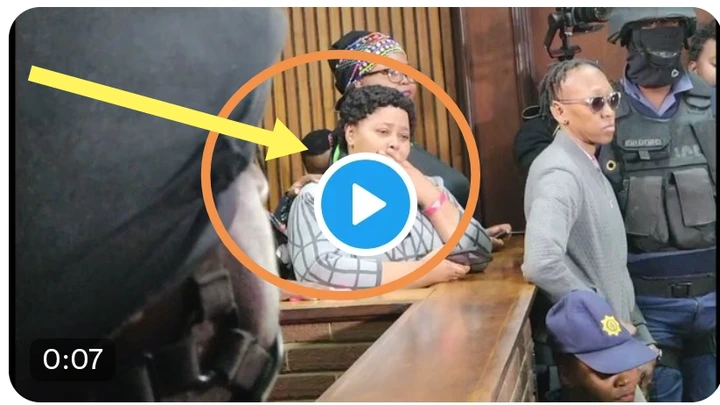
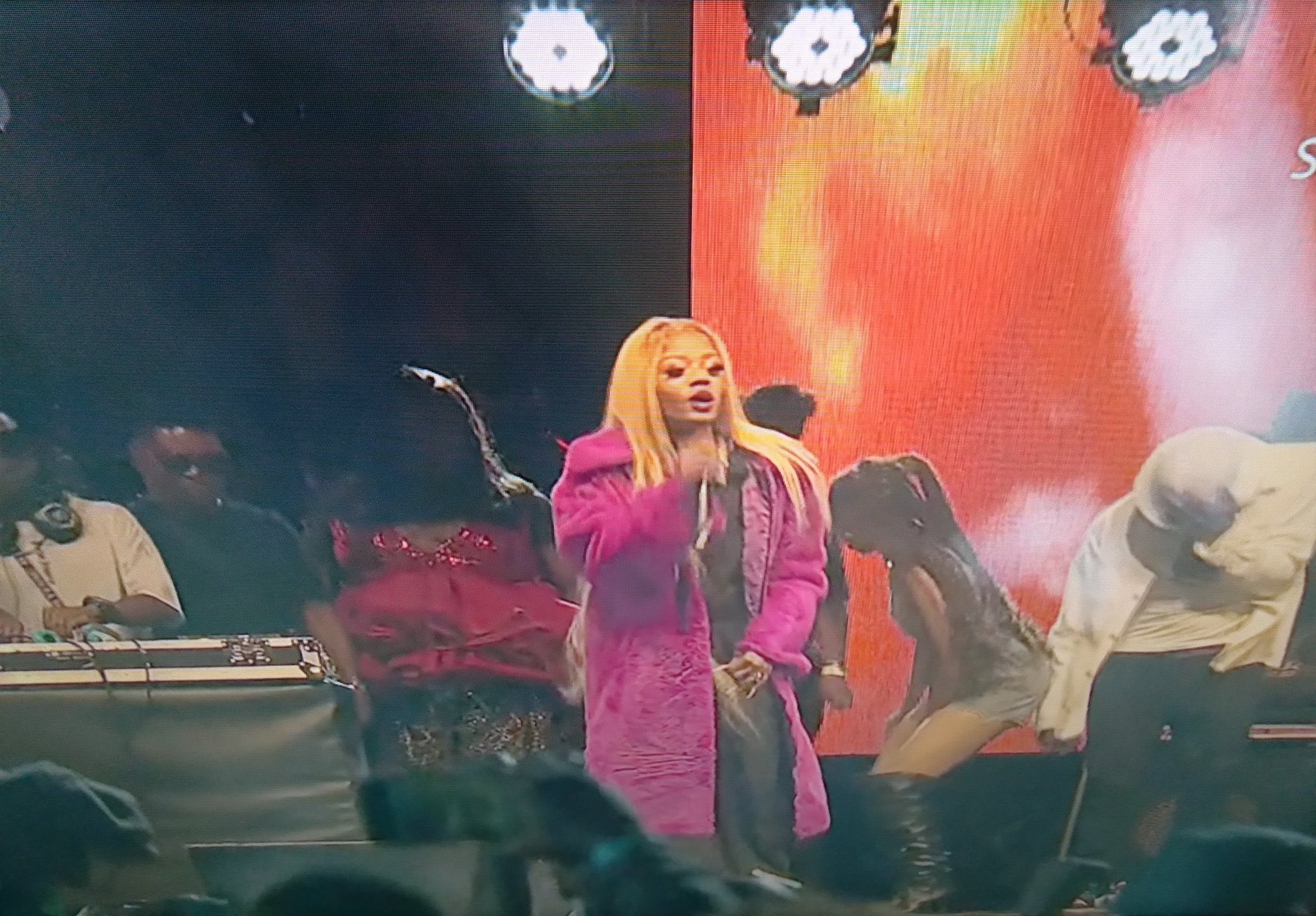
The controversy involves Jacinta Zinhle MaNgobese Zuma, Phakelumthakathi Ndabandaba and Ngizwe Mchunu. Some supporters have accused the three of moving away from the political positions and principles that previously earned them support within the broader movement aligned with former President Jacob Zuma. However, these claims circulating online have not been independently confirmed.
A significant portion of the criticism relates to the March & March mobilisation campaign. While some MK Party supporters believe the campaign has not generated the political impact they anticipated, others continue to support the activists and defend their efforts.
Ngizwe Mchunu, a prominent radio personality, has gained considerable attention through his political activism and association with Zuma-aligned supporters. His role in political mobilisation has made him a familiar figure among parts of the MK Party’s grassroots following.
Ndabandaba has likewise been involved in political mobilisation, particularly around the period when the MK Party made a strong showing in the 2024 elections. MaNgobese Zuma has also developed a public profile through her political activism and connection to the Zuma political legacy.
The latest criticism has prompted questions among some supporters about whether the three individuals still hold positions consistent with the expectations of the party’s grassroots base.
Much of the dispute has reportedly played out on social media and within community groups in KwaZulu-Natal, a province where the MK Party enjoys substantial support. Some frustrated supporters have labelled the figures “sellouts”, while others have questioned the reasons and motives behind the accusations.
Importantly, no documentary evidence has been presented to substantiate claims that financial deals, secret arrangements or other undisclosed agreements influenced any alleged changes in the individuals’ political positions.
The lack of supporting evidence means the allegations should be treated as claims rather than established facts. The individuals involved, as well as the MK Party’s official communication structures, have not reportedly confirmed the accusations.
Despite this, the controversy illustrates the difficulties political movements can face when supporters expect prominent activists to remain firmly aligned with previously stated positions. Disagreements over political strategy, alliances and priorities can easily develop into internal disputes.
For some MK Party supporters, the controversy raises concerns about whether influential figures remain committed to the principles they once championed. Others may regard the disagreements as a normal part of political debate and organisational development.
As the criticism continues to circulate online, it remains unclear whether the dispute will deepen divisions within sections of the MK Party’s grassroots support or whether the differences will eventually be addressed through internal political engagement.