“Ngihlala Ekhaya Ngoba Ngisaba Ukubulawa” – Clip of Major General Lesetja Senona Sparks Security and Mental Health Debate
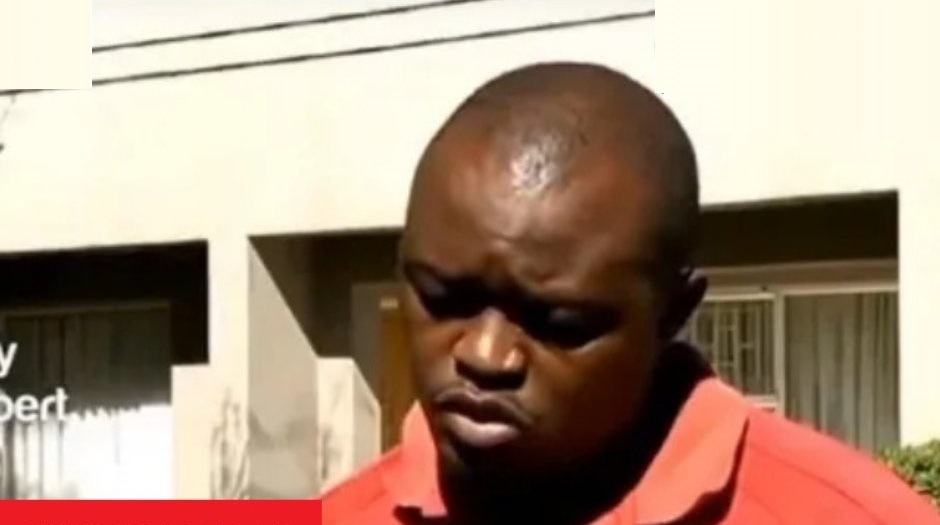
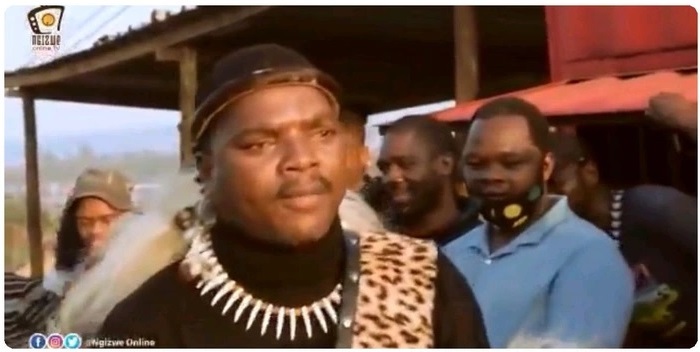
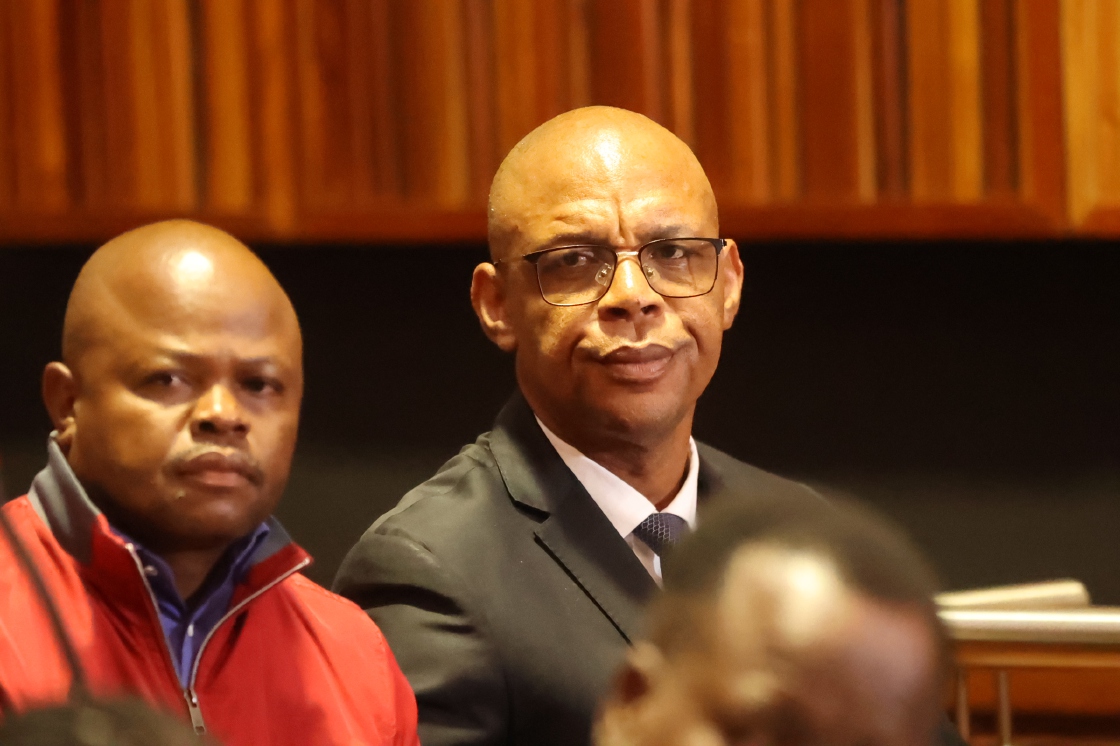
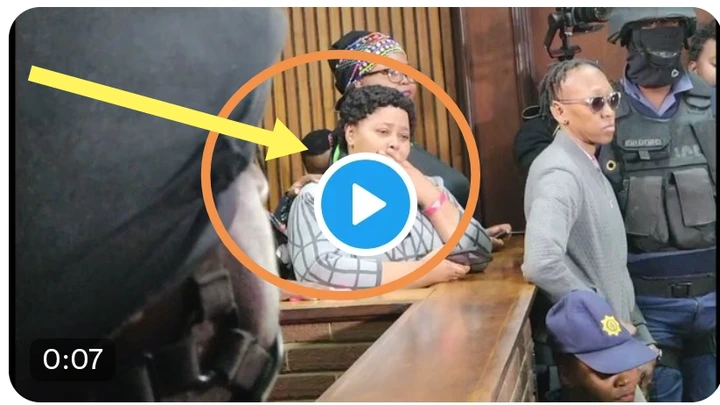
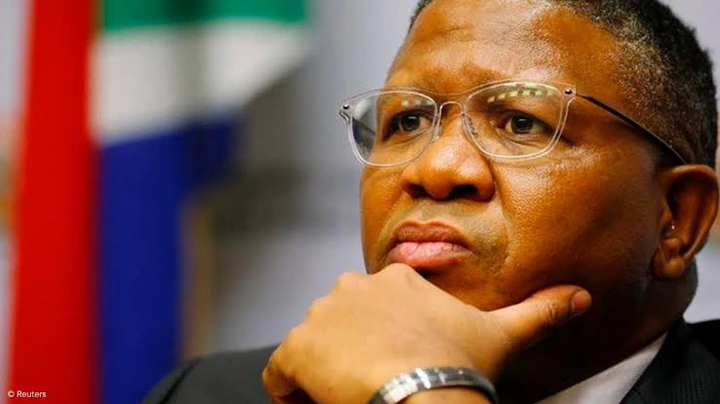
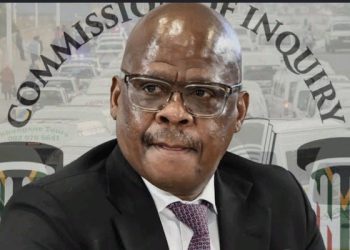
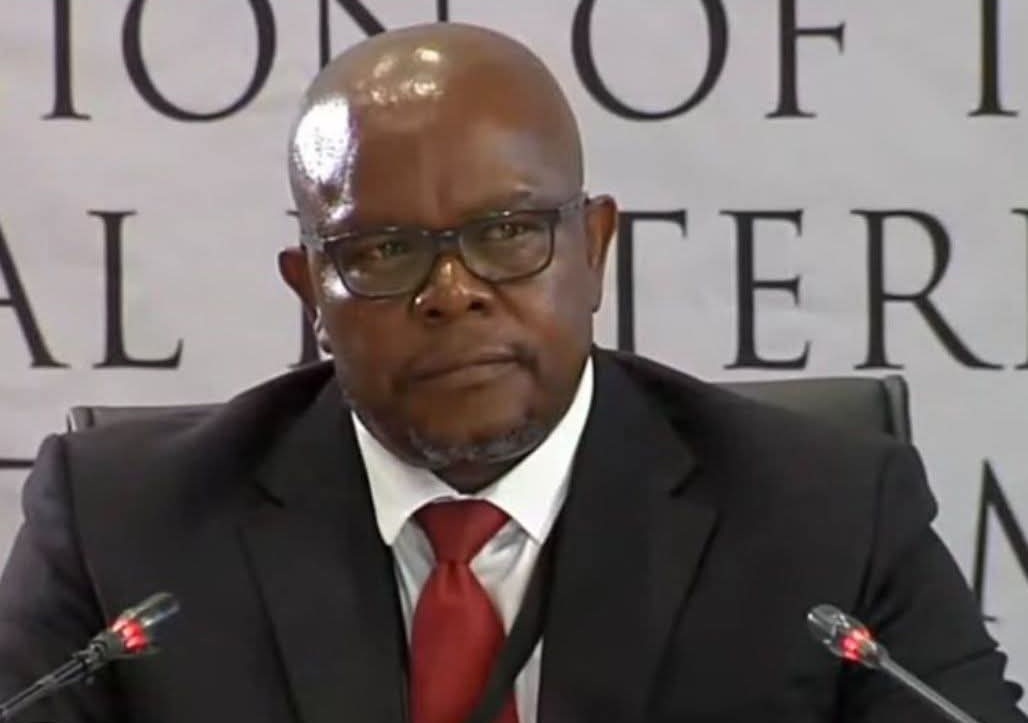
A widely circulated video clip allegedly featuring Major General Lesetja Senona has sparked intense public debate in South Africa after he appeared to explain, in a mix of isiZulu and English, why he is reportedly no longer reporting for duty as usual.
In the clip, Senona is seemingly responding to questions from his grandchildren who reportedly asked him why he no longer wakes up and goes to work like before. His response, delivered in a calm but emotional tone, has drawn widespread attention and mixed reactions across social media platforms.
“Kazi u Major General Lesetja Senona uthini uma abazukulu bakhe bembuza ukuthi akasa vuki ngani aye emsebenzini as usual,” the conversation begins in isiZulu, loosely translating to questions about why he no longer follows his normal work routine.
He is then heard allegedly responding that he fears for his life, claiming that “AmaZulu afuna ukumbulala,” which translates to “the Zulu people want to kill me,” adding that he therefore believes it is safer for him to remain at home.
The statement has not been independently verified by authorities, and it remains unclear under what context the remarks were made or whether they were taken from a larger, edited or informal discussion.
The South African Police Service (SAPS) has not yet issued an official statement regarding the authenticity of the clip or the current duty status of the senior officer. However, security experts say the matter, if genuine, raises serious concerns about the safety of high-ranking officials and the psychological toll associated with policing and national security roles.
At the same time, community leaders and commentators have urged caution, warning against interpreting the clip in a way that could inflame ethnic tensions or misrepresent entire communities based on alleged statements.
Social media users have been divided, with some expressing concern about the mental wellbeing of senior officers operating under pressure, while others have called for clarity and possible disciplinary review if the remarks are confirmed.
Human rights observers have also weighed in, stressing the importance of verifying sensitive claims before drawing conclusions, particularly where statements could be misinterpreted or potentially misattributed.
As debate continues online, the clip has opened wider conversations about safety within law enforcement ranks, transparency in leadership communication, and the responsibility of public figures when speaking in emotionally charged or informal settings.
Authorities are expected to respond once the matter is formally reviewed.