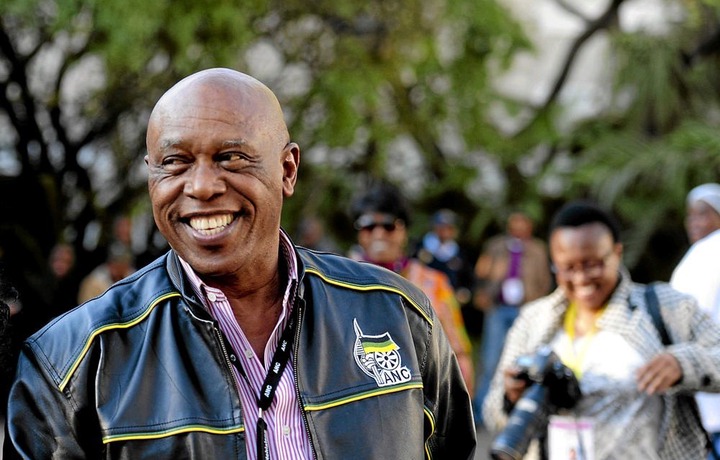
There is a surprising amount of controversy around the elective conference that will take place in 2027 for the African National Congress (ANC), and the name of Tokyo Sexwale is at the center of this controversy. The tensions that have been building up within the ANC are beginning to show themselves. According to reports that originate from structures in KwaZulu-Natal, there is a determined attempt being made to bring the former Premier of Gauteng back into the political arena. This action is a huge threat to the leadership that is currently in place.
Sexwale’s unique blend of knowledge, which includes “struggle credentials, governance experience, ethical standing, and strategic insight,” is just what the African National Congress (ANC) requires at this crucial moment, according to a thorough discussion document that was developed by the “Tokyo/Mvela Perspective” group. It would appear that this effort is not simply a result of nostalgia; rather, it is a reaction to rising concerns, as expressed in the text, over the performance of the current leadership, notably the apparent drop in electoral support that is being supervised by the National Executive Committee (NEC).
Given the document’s emphasis on “balancing renewal with continuity,” it is clear that the party is looking for a leader who is capable of simultaneously addressing the issues that the party is currently facing and upholding the ideals that it was founded on. It is suggested that Sexwale is a figure that promises “renewal grounded in integrity, discipline, and service.” This figure is presented as a bridge between these two various needs. Particularly noteworthy is the timing of this revival.
After being removed from cabinet by Jacob Zuma in 2013, Sexwale’s political participation came to a complete and utter halt. A deep-seated anger exists within certain branches of the African National Congress (ANC), particularly in KwaZulu-Natal, where support for Sexwale is apparently significant. However, the fresh interest, which was fuelled by campaigners such as Mukelani Lushaba, highlights this long-standing frustration.
In light of the fact that the African National Congress (ANC) is currently dependent on coalition governments, Lushaba’s remarks about a “breath of fresh air” demonstrate a yearning for fundamental change. It is very evident that this is not simply about a single person; rather, it is about a more comprehensive evaluation of the path that the ANC is taking.
Concerns that have been raised, such as those concerning alliances that are influenced from the outside and the possibility of the party’s political program being watered down, are symptomatic of a high level of unease that exists inside the movement. Sexwale’s comeback constitutes a major challenge to the established order, revealing a deep-seated yearning for a drastic transformation in the trajectory of the African National Congress (ANC). Other names, such as Patrice Motsepe and Paul Mashatile, are also being explored.
While the African National Congress (ANC) is getting ready for its next leadership contest, the persistent speculation, in conjunction with polling data that indicates support for Motsepe, highlights the significant factors that are at play.