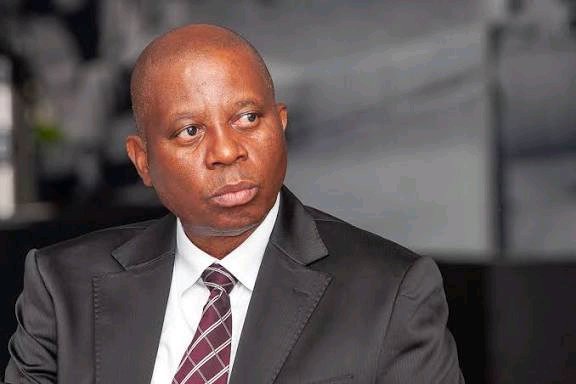
In his contribution to the discussion around the concept of a “borderless Africa,” Herman Mashaba, a former mayor of Johannesburg and a successful businessman, has provided a reaction that is both staunch and circumspect.
As part of his speech, Mashaba emphasised the significance of unity among African states and offered gratitude to fellow Africans located around the continent. On the other hand, he stated that South Africa should first devote its attention to fixing the problems that exist inside the country before ever discussing the possibility of open borders.
By referring to what he referred to as the challenging historical background of the nation as well as the present socio-economic conflicts, he made the suggestion that these problems should be addressed as a matter of most importance. According to Mashaba, the existing status of the nation, which has been formed by decades of inequality and recent difficulties to governance, indicates that it is not currently in a position to embrace such a significant continental transition.
Mashaba further emphasised that if the notion of a borderless Africa is to be followed, it should ideally begin with nations that have had more time to consolidate following independence. This is because these countries have had more time to mature. According to his perspective, regional integration must be properly developed and constructed on solid institutional foundations. This notion is reflected in his viewpoint.
His remarks come at a time when there are increasing conversations taking place all throughout Africa about the possibilities of more economic integration, the mobility of people, and the idea of decreasing or eliminating limitations on internal borders. There are others who believe that a borderless Africa would be beneficial since it would improve mobility, boost commerce, and strengthen the unity of the continent.
On the other hand, critics such as Mashaba warn that if robust processes are not in place, such a move might put further burden on public services that are already under a great deal of strain. These services include healthcare, housing, and employment provision.
Strong viewpoints continue to be expressed by South Africans about the subject, with some individuals advocating for a more profound integration of the continent, while others share Mashaba’s worries over the time and preparedness of the merger.
Despite the fact that conversations are progressing, it is still abundantly evident that the concept of a borderless Africa is not at all uncomplicated. Despite the fact that it has the potential to bring about economic development and unification over the long term, the route that leads to it would need meticulous planning, collaboration, and stability across a number of different countries.
For the time being, Mashaba’s position is very clear: South Africa need to concentrate on its own affairs before opening its borders to a more comprehensive continental framework.