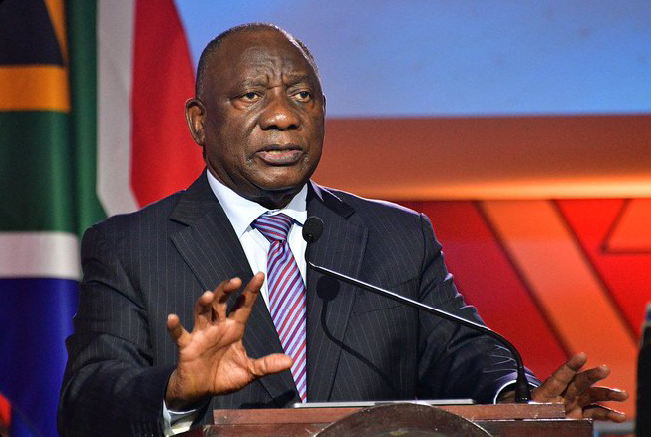
Members of Parliament’s Ad Hoc Committee have issued a firm warning to President Cyril Ramaphosa, signaling that no further extensions will be tolerated for the submission of his long-awaited written responses to key questions.
The president had initially been expected to deliver the document on Monday. However, during an administrative meeting, committee members were informed that the submission would now only be made a day later, prompting frustration among MPs who have already expressed concern over previous delays.
At the center of the committee’s inquiry are two highly sensitive issues. Firstly, Ramaphosa is expected to explain the circumstances surrounding the controversial directive to disband the Political Killings Task Team—an elite unit established to investigate politically motivated murders. The decision has raised alarm among lawmakers, with fears that it may undermine ongoing efforts to tackle politically linked violence.
Secondly, the president is under pressure to clarify his alleged association with Hangwani Maumela, a businessman widely described as a tender kingpin. Lawmakers are seeking transparency regarding any links that could raise questions about governance, procurement processes, and political accountability.
Committee members emphasized that timely and comprehensive answers are essential to maintaining public trust in state institutions. Several MPs argued that repeated delays risk creating the perception of evasiveness, particularly given the gravity of the issues under review.
“The integrity of this process depends on cooperation and respect for parliamentary oversight,” one committee member noted, adding that the president must demonstrate accountability by meeting deadlines without exception.
The Ad Hoc Committee was established to probe matters of public concern tied to governance and alleged misconduct. Its work is seen as a crucial mechanism in reinforcing checks and balances within South Africa’s democratic framework.
Political analysts suggest that Ramaphosa’s response could have far-reaching implications, both for his administration and for broader efforts to combat corruption and political violence. A clear and decisive submission may help quell speculation, while any further delays or vague answers could intensify scrutiny from both Parliament and the public.
With the revised deadline now imminent, all eyes are on the presidency. The committee has made it clear: this is a moment for accountability, and patience within Parliament is wearing thin.