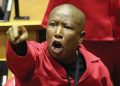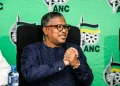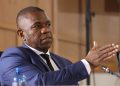
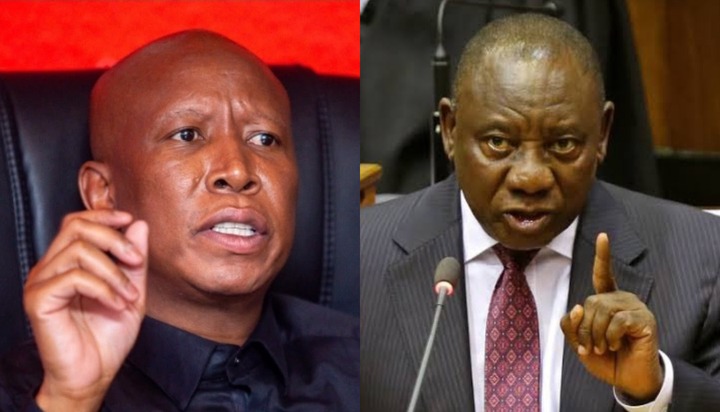
A controversial social media post has sparked a heated debate online after an individual allegedly shared an image targeting South African political leaders. In a post on social media, a user appeared to appeal to the United States government to intervene against President Cyril Ramaphosa and Economic Freedom Fighters leader Julius Malema. The shared graphic features several influential global figures, including those from South Africa, Venezuela, and Iran, and has raised serious concerns regarding the safety of domestic politicians and the nature of digital political rhetoric.
The image in question allegedly depicts four prominent leaders, with specific markings indicating their current status in a broader geopolitical context. According to various observers, the pictures of the President of Venezuela and the late Supreme Leader of Iran are crossed out with red marks, suggesting they are no longer viewed as active obstacles. However, the images of President Ramaphosa and Julius Malema remain untouched by these markings, which has been interpreted by many as a direct call for foreign intervention against the South African leaders.
The unverified post included a caption urging the United States not to stop its current international activities, which many have viewed as a problematic insinuation. The individual behind the post is reportedly a member of the Afrikaner community, and the nature of the message has led to questions about the potential for such rhetoric to incite instability. Public reaction has been swift, with many people questioning how the South African government and law enforcement agencies will respond to content that appears to encourage foreign action against the country’s highest-ranking elected officials.
The controversy highlights the growing tension regarding how international conflicts and superpower interventions are perceived within South Africa. While the post does not explicitly outline a specific method of intervention, the context provided by the other crossed-out leaders has caused significant alarm among political analysts and the general public. There is currently a broader discussion regarding the legal boundaries of free speech and whether such digital posts constitute a threat to national security or the personal safety of the political figures involved.