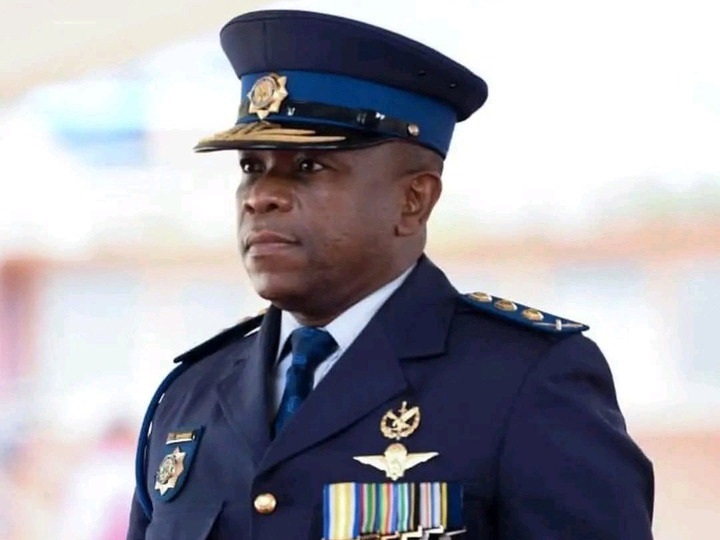
An audio recording allegedly featuring individuals identified as Sibiya and Senthumule has sparked controversy in KwaZulu-Natal after remarks referencing Provincial Police Commissioner Lieutenant General Nhlanhla Sibusiso “Lucky” Mkhwanazi surfaced publicly.
In the clip, one voice is heard asking, “Usho bani?” to which the other responds, “Ngisho yena lomfana lo uLucky.” Roughly translated, the exchange appears to refer to the senior police official in a casual manner. The phrase “I am PKTT, you are not” is also heard in the recording, adding further intrigue. The acronym “PKTT” has generated speculation, with some suggesting it may refer to specific police structures within the province.
The recording has drawn strong reactions from supporters of Lieutenant General Mkhwanazi, who argue that referring to the provincial commissioner simply as “uLucky” is dismissive and disrespectful. They emphasise that he is a decorated and senior officer entrusted with overseeing policing operations in one of South Africa’s most crime-affected provinces.
Lieutenant General Mkhwanazi is widely regarded as a prominent figure in South African law enforcement. As the Provincial Commissioner of the South African Police Service in KwaZulu-Natal, he has taken a firm stance against organised crime, political killings and other high-profile criminal activities. His leadership has placed him at the forefront of efforts to stabilise a province long troubled by complex crime dynamics and political tensions.
Despite the growing public debate, no official statement has been issued clarifying the full context of the recorded conversation. Mkhwanazi has not commented publicly on the matter. The KwaZulu-Natal SAPS has also declined to provide details, indicating that the issue may be addressed internally if necessary.
Political and community leaders have urged caution, warning that isolated audio clips can fuel unnecessary controversy if not properly contextualised. As questions remain about the authenticity and circumstances surrounding the recording, observers continue to call for accountability, transparency and respectful public discourse.