

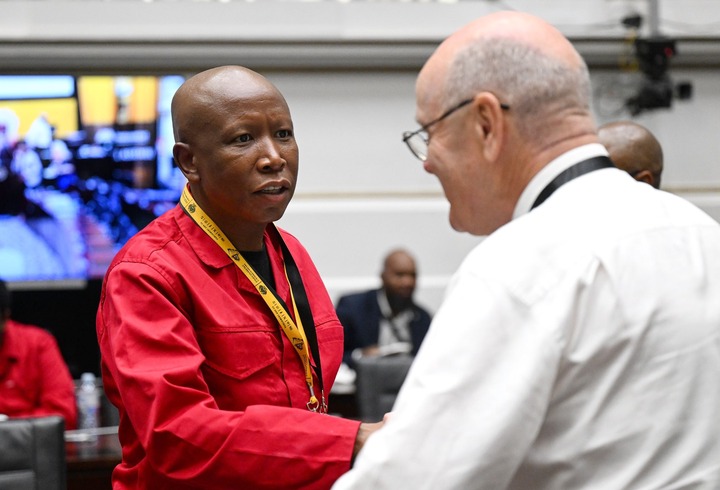
In a post on social media, a user highlighted forensic investigator Paul O’Sullivan’s admission of his membership in the civil rights organisation AfriForum during a recent ad hoc committee session. The commenter expressed disbelief at the investigator’s decision to demand that Economic Freedom Fighters leader Julius Malema withdraw a controversial political chant. This reaction emerged following the witness’s appearance before parliamentary members, where he reportedly confirmed his affiliation with the group while addressing the committee on matters related to the justice system.
The focal point of the public reaction involves the investigator’s direct challenge to the political leader regarding a specific struggle song. According to the social media report, O’Sullivan allegedly used the platform to tell Malema to stop the use of the chant, which has been a subject of significant legal and social debate in the country. The user noted the perceived boldness required to issue such a directive to a prominent political figure within a legislative setting, especially while identifying as a member of a conservative civil organisation.
During the proceedings, the witness was questioned on his professional associations and potential biases that might influence his forensic work. The confirmation of his AfriForum membership has reportedly added a layer of political tension to the committee’s investigation into state corruption and law enforcement. Critics on social media have suggested that this affiliation explains his stance on the political chant, while others have debated whether such personal associations impact the credibility of the evidence he presented to the members of Parliament.
The ad hoc committee session was marked by several such confrontations as the investigator faced rigorous cross-examination from various political party representatives. While the meeting was primarily intended to gather information on criminal infiltration within state structures, the exchange regarding the political song and the investigator’s membership status became a significant point of discussion. This incident has raised questions about the boundaries of witness testimony and the influence of personal political convictions during official parliamentary inquiries into matters of national importance.


