

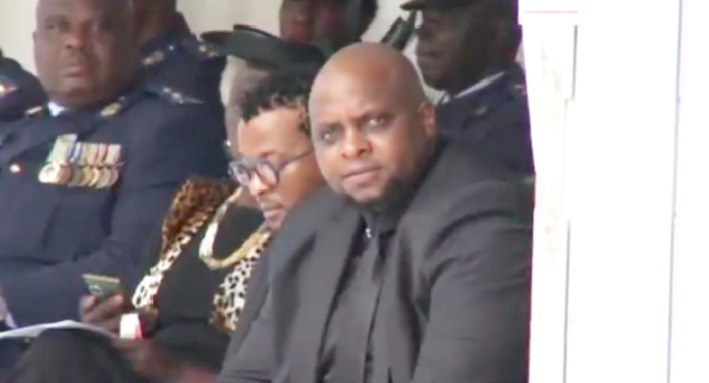
President Cyril Ramaphosa, Julius Malema, leader of the Economic Freedom Fighters (EFF), Floyd Shivambu, from Africa Mayibuye, and Deputy President Paul Mashatile were present at the provincial funeral for the late Hosi Phylia Tinyiko Lwandlamuni N’Wamitwa II in Limpopo, alongside other dignitaries and mourners.
The event attracted considerable attention as political figures, traditional leaders, and locals came together to celebrate the legacy and life of the esteemed leader. Hosi N’Wamitwa II was well-known for her efforts in advancing cultural preservation, community growth, and leadership in her area. Her death represented a significant loss not just for her local community but also for traditional leadership frameworks throughout South Africa.
President Ramaphosa honored the memory of Hosi, stressing her role in bolstering traditional governance and empowering communities. He pointed out the vital role traditional leaders play in encouraging social unity, safeguarding heritage, and backing grassroots development efforts. He characterized Hosi N’Wamitwa II as a leader whose reach went beyond traditional authority, noting her commitment to promoting gender equality in traditional systems.
Julius Malema from the EFF also participated in the event, highlighting its importance. Malema has often discussed the role of traditional leaders within the socio-political context of South Africa, especially in rural areas. His attendance, along with other political leaders, indicated a shared acknowledgment of the late Hosi’s influence across different political parties.
Floyd Shivambu’s presence further exemplified the cultural and political significance of the funeral. Being active in national political conversations, he joined others in paying tribute. Observers remarked on the display of unity seen at the event, where leaders from various political affiliations came together to remember the late Hosi.
Deputy President Paul Mashatile was part of the gathering, showing the government’s recognition of traditional leadership roles. Government officials often attend the funerals of notable traditional leaders to reinforce the bond between state authorities and customary leaders.
Funerals of this nature are usually reserved for those considered to have made remarkable contributions to society. The ceremony included cultural rituals, traditional practices, and official acknowledgments. Many community members turned out, demonstrating the high regard in which Hosi N’Wamitwa II was held.
Traditional leaders are essential in numerous South African communities, especially regarding land issues, cultural identity, and conflict resolution. The leadership of the late Hosi was frequently linked to projects aimed at enhancing community welfare and sustaining cultural practices.
The funeral events were widely shared online, where numerous South Africans conveyed their condolences and contemplated the legacy of the late leader. Numerous messages celebrated her groundbreaking work and the significant impact of her leadership.
As dignitaries left, tributes continued to flow from various communities, reinforcing the lasting legacy of Hosi Phylia Tinyiko Lwandlamuni N’Wamitwa II.


