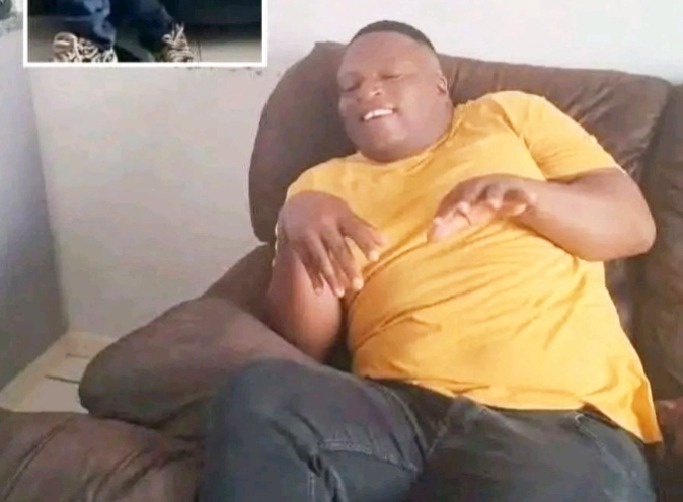
A social media personality is facing severe backlash after videos surfaced showing him allegedly mocking disabled individuals. The controversy has triggered widespread outrage, leading to major consequences for his online presence and potentially his professional life.
According to online discussions, the individual has reportedly lost access to a Facebook account boasting over 700,000 followers. His TikTok account is also said to have been blocked, further intensifying the fallout from the incident. Social media users have been vocal, condemning the behavior and questioning the motivations behind the controversial content.
The situation gained momentum after footage began circulating online, with many viewers expressing shock and disappointment. Critics argue that mocking people with disabilities crosses ethical boundaries and reflects deeply insensitive conduct.
What has particularly angered many observers is the claim that this was not an isolated incident. Online reactions suggest that similar behavior may have occurred previously, raising concerns about patterns of disrespectful content creation.
The backlash has been swift and unforgiving. Social media platforms, often sensitive to violations of community guidelines, appear to have taken decisive action. Account suspensions and blocks are commonly enforced when content is deemed harmful, discriminatory, or abusive.
Beyond digital consequences, reports indicate that the individual’s employment situation may also be under pressure. While details remain unclear, social media controversies have increasingly influenced workplace decisions, as employers seek to distance themselves from reputational risks.
The incident has sparked broader discussions about responsibility in the age of viral content. With large followings comes significant influence, and many users believe creators should be mindful of the impact their words and actions can have.
Online audiences today are more reactive to perceived insensitivity, particularly regarding marginalized or vulnerable groups. Disability advocacy has grown significantly in public discourse, with increasing emphasis on dignity, respect, and inclusion.
Many commentators argue that content designed purely for attention or financial gain can sometimes lead individuals to make poor judgment calls. The phrase “things we do for money,” echoed widely in reactions, reflects public frustration with what some see as harmful behavior driven by clout chasing.
Importantly, while social media narratives often move quickly, allegations and interpretations may not always capture the full context. Nevertheless, the reputational damage in such cases can be substantial regardless of intent.
For many observers, the controversy serves as a reminder of the evolving standards governing online conduct. As digital platforms continue shaping public perception, creators are increasingly held accountable not only by algorithms but by audiences themselves.