

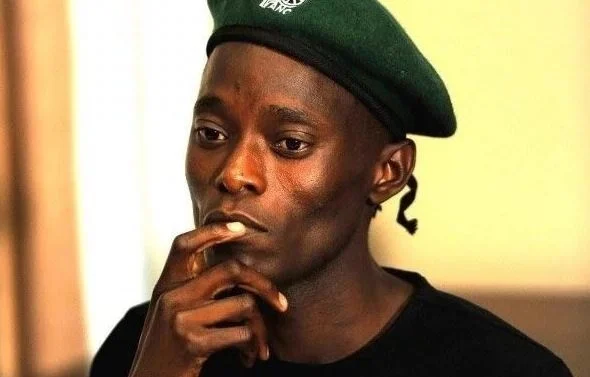
Whistleblower Patricia Mashale has told Parliament’s ad hoc committee probing the killing of former ANC Youth League secretary-general Sindiso Magaqa that the hitman responsible for the murder repeatedly sought to make a full confession but was allegedly prevented from doing so.Mashale’s testimony, delivered during a tense committee sitting, painted a troubling picture of interference in the high-profile case that has haunted South Africa’s justice system for years. Magaqa was fatally shot in July 2017 in Umzimkhulu, KwaZulu-Natal, after exposing alleged corruption linked to a municipal tender.
According to Mashale, the convicted hitman expressed a clear intention to disclose not only his role in the assassination but also to identify the “kingpins” who allegedly orchestrated the killing. She told the committee that these efforts were consistently blocked by individuals within the criminal justice system, raising serious questions about accountability and the rule of law.
“The hitman wanted to come clean and name those who ordered the hit,” Mashale said. “But every time he tried, there were obstacles placed in his way. He was discouraged, delayed, and ultimately silenced.”
Mashale alleged that the obstruction was deliberate and systematic, suggesting that powerful figures feared exposure should the full truth emerge. While she stopped short of naming specific officials during her testimony, she urged the committee to investigate the roles played by law enforcement officers and prosecutors involved in the matter.
Members of the ad hoc committee expressed concern over the allegations, describing them as deeply disturbing if proven true. Several MPs said Mashale’s account reinforced long-standing suspicions that Magaqa’s murder was part of a broader pattern of politically linked killings in KwaZulu-Natal, often accompanied by weak investigations and stalled prosecutions.
The committee is tasked with assessing whether there was political interference in the investigation and prosecution of the case, as well as determining why justice has been slow for Magaqa’s family. Only one person has been convicted so far, despite repeated calls for those who allegedly ordered the killing to be held accountable.
Mashale concluded her testimony by calling on Parliament to act decisively. She said the failure to allow a full confession not only denied justice to Magaqa and his family but also undermined public confidence in the criminal justice system.
The ad hoc committee is expected to hear further testimony in the coming days as it works towards compiling a report with recommendations for possible action, including reopening aspects of the investigation.


