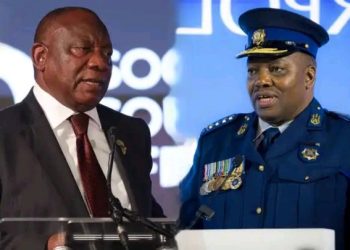
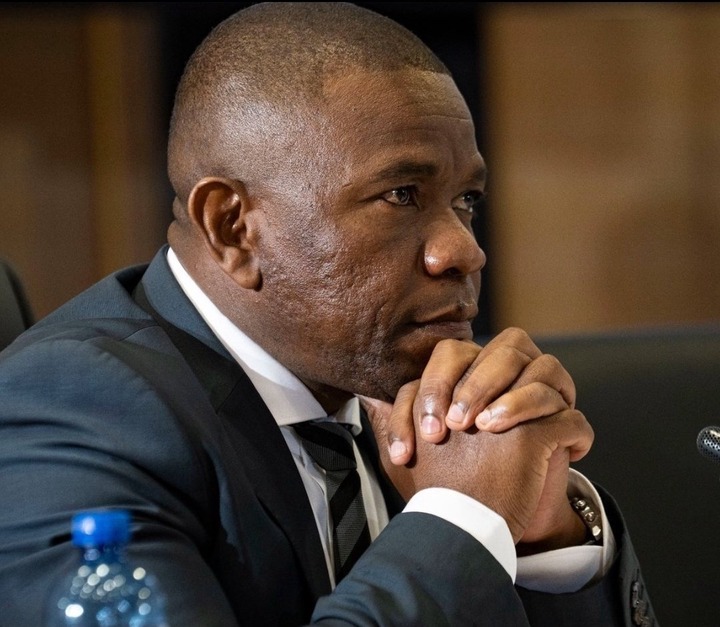
The uMkhonto weSizwe (MK) Party has sparked fresh political debate after declaring that it would honour General Nhlanhla Mkhwanazi with the prestigious Order of Bravery and National Duty should it come to power, praising him for what it described as “courageously exposing the capture of the Executive, Judiciary and Parliament by a criminal syndicate.”
In a strongly worded statement, the party argued that Mkhwanazi’s alleged actions represent a rare act of institutional courage in a political environment it claims has been compromised by corruption and political interference. The MK Party further accused the current administration under President Cyril Ramaphosa of being unwilling or unable to recognise such efforts, suggesting that the government is either complicit or resistant to accountability.
“General Mkhwanazi has shown bravery in standing up against entrenched criminal networks that have infiltrated key organs of state,” the party said, adding that his actions symbolise a broader struggle against systemic corruption. The statement framed Mkhwanazi as a whistleblower figure and positioned the MK Party as a political alternative committed to restoring integrity within state institutions.
However, the claims have not gone uncontested. Political analysts and governance experts caution that allegations of state capture and institutional compromise require thorough investigation and due process, rather than political pronouncements. Critics argue that such statements risk politicising serious allegations, potentially undermining ongoing investigations and the credibility of oversight institutions.
The presidency has previously reiterated its commitment to combating corruption and strengthening state institutions, pointing to commissions of inquiry, law enforcement reforms, and judicial independence as evidence of progress. Government officials have also warned against unsubstantiated claims that could erode public trust in democratic institutions.
Meanwhile, Mkhwanazi himself has not publicly commented on the MK Party’s remarks. Observers note that the situation reflects South Africa’s highly charged political climate, where corruption allegations and governance debates have become central themes ahead of future electoral contests.
As the discourse intensifies, civil society groups have called for transparency, accountability, and adherence to legal processes, urging political parties to avoid using sensitive allegations for political gain. The unfolding narrative is likely to fuel further debate over state integrity, political accountability, and the role of whistleblowers in South Africa’s evolving democracy.