
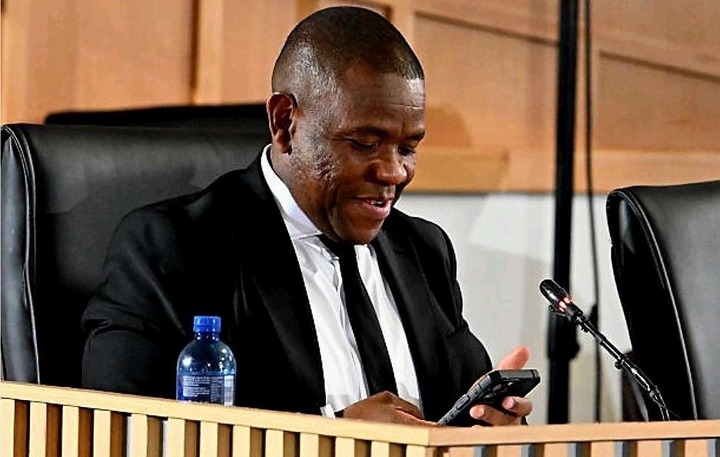
The renewal of the contract of Nhlanhla Mkhwanazi has triggered a wave of strong reactions across social media, with many South Africans welcoming the decision as a significant boost in the country’s ongoing fight against crime. The announcement was met with widespread approval, particularly from communities that have closely followed his tenure and leadership style.
Online platforms were quickly flooded with messages praising the move, with some users describing the renewal as bad news for criminals and warning that they now face “another rough five years”. The dominant sentiment reflected hope that continuity at the top of the police command structure would translate into sustained pressure on criminal networks and greater safety for ordinary citizens.
Mkhwanazi has earned a reputation as a firm and uncompromising leader, especially during his time overseeing policing in KwaZulu-Natal. Under his command, law enforcement agencies intensified operations against organised crime syndicates, drug trafficking networks, illegal firearms, and violent offenders. These efforts, coupled with increased police visibility, have helped build public confidence in his approach.
Supporters argue that renewing his contract signals institutional confidence in his leadership and recognises the progress made under his watch. Many believe that frequent changes in senior leadership often disrupt long-term crime-fighting strategies, weaken morale within the ranks, and allow criminal elements to exploit uncertainty. By retaining Mkhwanazi, authorities are seen as choosing stability and continuity over disruption.
During his tenure, several high-profile operations and targeted interventions were launched, sending a clear message that criminal activity would be confronted decisively. While acknowledging that crime is influenced by deep-rooted social and economic challenges, many South Africans view strong, consistent leadership as a crucial foundation for effective policing.
The online reaction also highlights growing public frustration with crime and an urgent demand for decisive action. For many, the contract renewal symbolises renewed hope that law enforcement will continue to act boldly and without hesitation.
However, some commentators have cautioned that tough policing alone is not enough. They stress that accountability, adequate resources for officers, and an efficient criminal justice system — including effective prosecution — are essential to ensure long-term impact and sustainable reductions in crime.
As Mkhwanazi embarks on another term, expectations remain high. His leadership will be closely scrutinised in the coming years to determine whether the confidence placed in him results in measurable improvements on the ground. For now, public sentiment remains largely positive, with many believing that criminals across the country may indeed be facing a far more challenging period ahead.