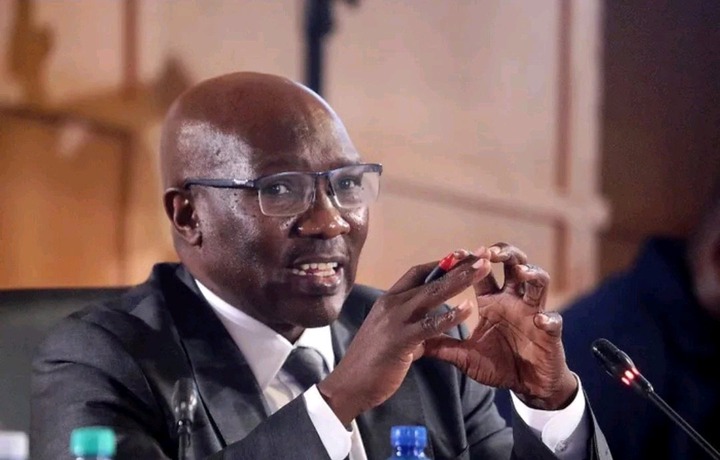
On Wednesday, South African Police Service (SAPS) Crime Intelligence Chief Lieutenant General Dumisani Khumalo made a major statement to Parliament’s Ad Hoc Committee. A fellow senior commander, Lieutenant General Shadrack Sibiya, he said he didn’t trust and warned that Sibiya would be arrested soon. This is in answer to questions posed by MK Party lawmaker Vusi Shongwe, who wanted to know more about the strife and lack of responsibility among the top brass of the South African Police Service. Mr. Khumalo spoke on the matter. In his testimony before the committee, Khumalo made it clear that his mistrust of Sibiya sprang from intelligence assessments and publicly available material. These, he claimed, caused him to have serious concerns about Sibiya’s actions.
The committee was obviously unsettled and the severity of the ongoing crisis within the police leadership was underscored when Khumalo warned parliament members that General Sibiya’s immediate detention was likely. Khumalo didn’t name anybody, but he did imply that the investigations had come a long way and included serious enough issues to warrant jail time. It was emphasised by him that no one is immune from legal responsibility, regardless of rank, and that Crime Intelligence would not shield senior officers in the event that evidence proved wrongdoing.
The public’s faith in law enforcement is already low due to persistent claims of corruption, political interference, and internal strife, and this encounter just served to heighten those tensions further. In the context of fighting organised crime, members of parliament from different political parties questioned Khumalo about the possibility that internal disputes could hinder operational efficiency.
Claiming that his stance was rooted in professional assessment and intelligence-driven analysis, Khumalo denied that it was inspired by personal animosity. The witness told the committee that senior commanders’ ability to trust one another was critical to the safety of the country. Additionally, he said that the efficacy of law enforcement activities was directly jeopardised if there was a lack of integrity among the leadership cadre.
To properly assess the South African Police Service and its intelligence infrastructure, Parliament needed unfiltered testimony, which Khumalo provided, according to Shongwe, who praised his candour. He promised that the committee would keep a careful eye on developments, particularly if high-ranking officials were to be arrested. General Sibiya has refrained from making any public comments on the claims, and the South African Police Service (SAPS) has also not issued an official statement concerning Mr. Khumalo’s remarks.
Legal experts say that while parliamentary testimony is important, strong, admissible evidence is needed for any future arrest. Parliament has launched a broader initiative to investigate governance shortcomings in the South African Police Service, and the Ad Hoc Committee’s discussions are part of that. Mr. Khumalo’s testimony has put more pressure on the top brass of the police force to answer for their actions and has raised the amount of scrutiny they are under.