The African National Congress (ANC) has opposed forensic investigator Paul O’Sullivan’s request to testify virtually before Parliament’s ad hoc committee, insisting that his evidence be delivered in person.
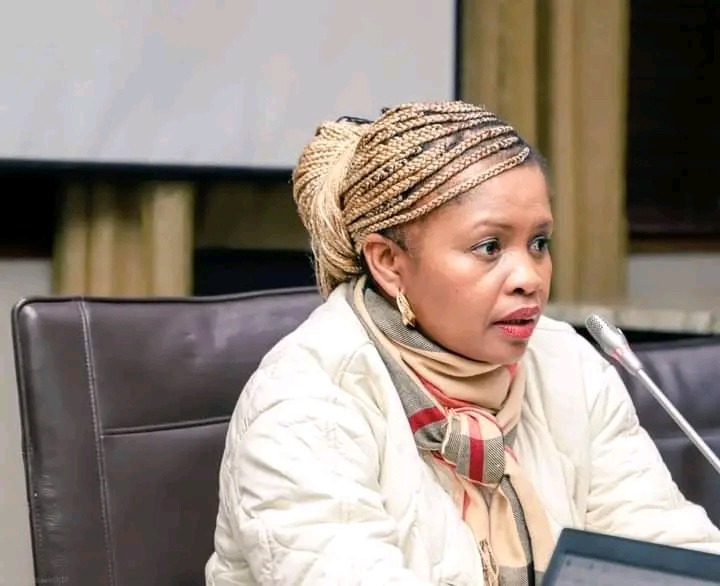
ANC spokesperson Khusela Sangoni argued on Tuesday that online testimony could compromise the integrity and credibility of the proceedings. “For matters of this gravity, it is essential that evidence be presented face-to-face,” Sangoni said, emphasizing the need for transparency and accountability.
O’Sullivan, known for his work in high-profile investigations, had sought to testify remotely due to logistical challenges. The committee, tasked with probing allegations surrounding recent security and governance concerns, has yet to reach a consensus on whether to accommodate his request.
Legal and procedural experts note that South African parliamentary rules allow virtual testimony under certain circumstances, particularly when witnesses face travel constraints or security concerns. However, Sangoni insisted that in-person engagement is crucial for ensuring rigorous questioning and cross-examination.
Opposition parties and civil society advocates have expressed mixed reactions. Some argue that blocking virtual testimony could delay the investigation and limit access to critical information, while others agree that the committee must maintain strict standards to safeguard the credibility of its findings.
The ad hoc committee is expected to convene later this week to deliberate on the matter and decide whether to enforce in-person testimony or allow remote participation. This decision will likely set a precedent for how Parliament balances accessibility and procedural integrity in high-stakes investigations.
The development adds another layer of tension to ongoing parliamentary inquiries and highlights the delicate negotiation between operational efficiency and procedural rigor.