

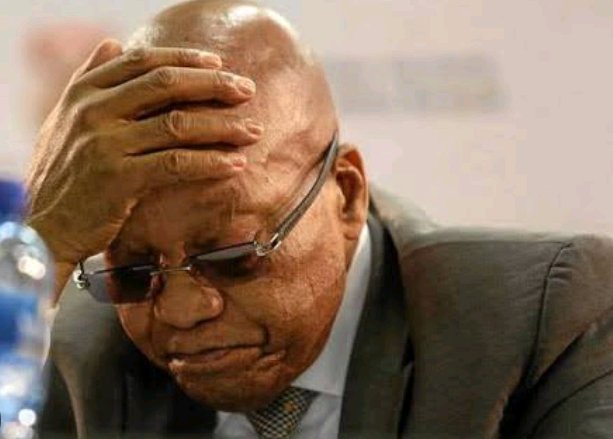
Former Western Cape Judge President Dr John Hlophe has officially resigned from the uMkhonto weSizwe Party (MKP), marking a significant development in South Africa’s evolving political landscape and raising fresh questions about the party’s internal dynamics and future direction.
Hlophe, a prominent and often controversial figure in South African public life, confirmed his departure in a formal communication addressed to the party’s leadership. While he did not disclose extensive details surrounding his decision, sources close to the matter indicate that his resignation follows growing tensions over leadership style, organisational coherence, and strategic direction within the relatively young political movement.
In his resignation letter, Hlophe expressed appreciation for the opportunity to have contributed to the MKP during its formative stages. He noted that his decision was taken after “careful reflection” and was guided by what he described as the need to act in the best interests of both himself and the organisation. He stopped short of directly criticising the party but acknowledged that differences had emerged which could not be easily reconciled.
The MKP, founded with the aim of repositioning radical economic transformation and reclaiming liberation-era ideals, has attracted several high-profile figures since its launch. Hlophe’s association with the party was viewed by some supporters as an attempt to bolster its intellectual and legal credibility, while critics argued that his past controversies risked overshadowing the party’s policy agenda.
Political analysts say Hlophe’s exit underscores the challenges facing new political formations in South Africa, particularly those built around strong personalities. “Start-up parties often struggle to balance ideological clarity with internal democracy,” said one analyst. “When that balance fails, resignations of senior figures become almost inevitable.”
The MKP leadership has acknowledged Hlophe’s resignation and wished him well, insisting that the party remains focused on consolidating its structures and expanding its grassroots support ahead of future electoral contests. In a brief statement, the party said it would continue to pursue its objectives “without distraction” and remain committed to serving the interests of the majority.
Hlophe has not yet indicated whether he plans to join another political organisation or withdraw from active party politics altogether. However, his departure is likely to fuel further debate about unity, accountability, and leadership within emerging political movements.
As South Africa’s political terrain becomes increasingly competitive, Hlophe’s resignation serves as a reminder that credibility, cohesion, and clear governance structures remain critical to the survival and growth of any political party.


