

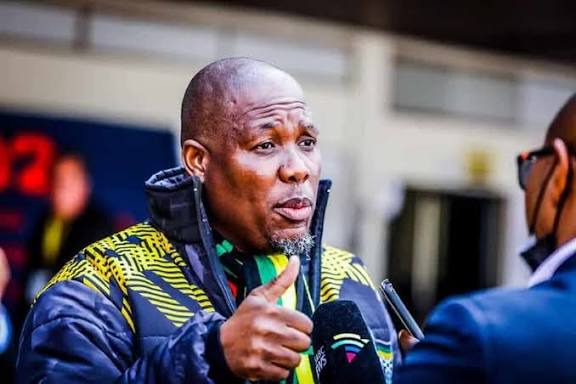
Bheki Mtolo, the former provincial secretary of the African National Congress (ANC) in KwaZulu-Natal, has issued a grim warning about the party’s condition. As the ANC struggles with severe internal issues and rising popular discontent, his remarks have reignited discussion over its future.
In a recent interview, Mtolo stated that the ANC is under attack from both within and without the organization. He emphasized that a significant portion of the greatest threats to the institution originates from inside its own ranks. He asserts that the party’s capacity to adequately serve South Africans is being undermined by internal conflict and disagreements over strategy. Mtolo’s words show increasing apprehension that inner divisions may continue to hurt the ANC’s standing and effectiveness.
Mtolo was forthright in discussing the difficulties encountered by party members. “It’s hard, our parents,” he stated. The annoyance that many members of the organization experience as they witness long-standing issues getting worse is summed up by this straightforward statement. He didn’t hesitate to state that the ANC must first address its own flaws before it can restore its power and unity.
Mtolo made the startling revelation that he intends to start writing a book at the end of 2027. How to Demolish a Company in Three Months is the title of the book. This title reflects his caution that the ANC may experience a quick decline if present trends continue. Due to the stark nature of the title, which highlights the severity of the issues he sees within the party, it has grabbed the notice of both detractors and supporters.
The necessity of resilience was also emphasized by Mtolo. He told the members to stay strong and united, claiming that the ANC’s biggest foes are not external forces, but rather internal divisions. To get through current challenges, he urged party members to support the ANC. His message was straightforward: if the group doesn’t act quickly and unitedly, it runs the danger of becoming lost in the midst of increasing public anger and political rivalry.
These remarks occur at a time when the ANC is still dealing with criticism from citizen organizations and poor electoral outcomes. For instance, in KwaZulu-Natal, longstanding alliance partners have expressed significant misgivings regarding the party’s course and leadership. Earlier, citing a dysfunctional relationship and communication breakdown with provincial leadership, SANCO, a crucial alliance partner in the province, severed connections with the ANC.
As the ANC prepares for upcoming elections and meetings, people like Mtolo are urging for change and introspection. It is yet unknown if his caution will result in positive reform or more conflict. But his outspoken position has already sparked an ongoing debate about the condition of South African politics and the future of the governing party.


