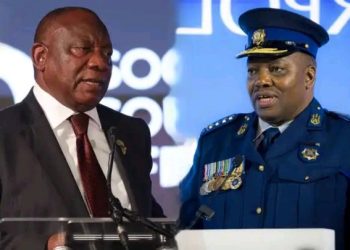
The Presidency has announced that the interim report of the Madlanga Commission will remain confidential, despite the approaching deadline for its submission. The report is anticipated to be delivered to President Cyril Ramaphosa by 17 December; however, officials have stated that it will retain its confidentiality for the time being. The decision has promptly ignited extensive discussion and conjecture throughout the nation.
Public response has been prompt, with numerous South Africans querying the justification for withholding the findings from public examination. On social media and discussion platforms, discontent has increased as citizens assert that transparency is crucial, especially in issues related to governance and accountability. The lack of communication regarding the interim report has further heightened suspicion and mistrust among certain segments of the public.
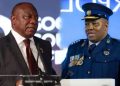
The controversy has been summarised by a widely circulated online question: “Is Ramaphosa afraid of Matlala and Mkhwanazi?” The sentiment indicates a broader concern that the withholding of the report may be associated with the political sensitivity of its contents and the individuals who could potentially be implicated. For detractors, the absence of transparency reinforces the belief that influential interests are being protected from examination.
Advocates of the Presidency, however, contend that commissions of inquiry frequently function within well-defined legal parameters. They assert that interim reports are not invariably prepared for public dissemination and that imprudent disclosure may jeopardise due process or ongoing investigations. From this standpoint, confidentiality is regarded as a procedural requirement rather than an effort to conceal information.
Nonetheless, the timing of the decision has attracted scrutiny. Amidst already waning public confidence in institutions, the decision to withhold the interim findings threatens to intensify cynicism and exacerbate political tensions. Many contend that even a limited disclosure could have contributed to reassuring the public that the process is being conducted with integrity.
As the December 17 deadline approaches, focus continues to be steadfastly directed towards the Presidency and the Madlanga Commission. Whether the final report will ultimately be disclosed to the public, and how the interim findings might influence political discourse, remain queries that persist as central topics in the national dialogue.