

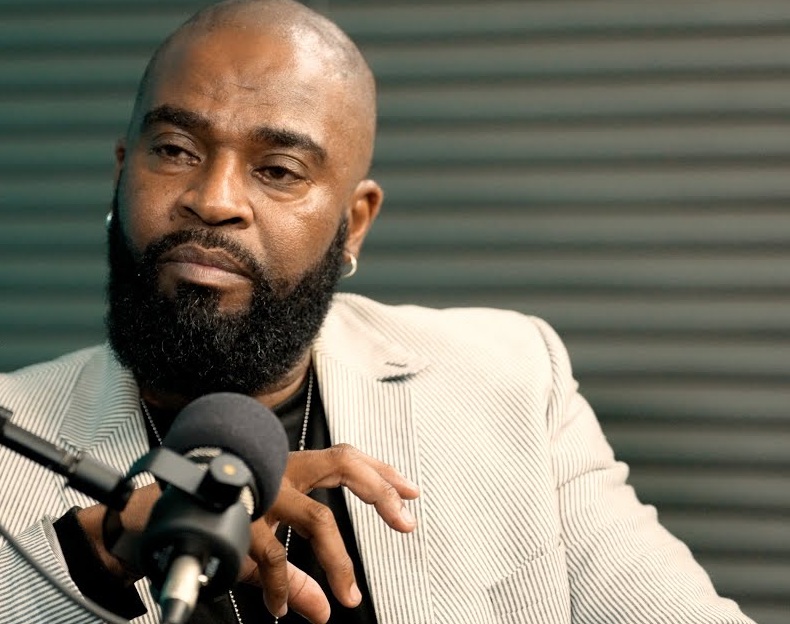
Advocate Ike Khumalo has sparked public discussion following candid remarks about award-winning actress and media personality Pearl Thusi, in which he drew a clear distinction between personal admiration and disapproval of certain conduct.
Speaking during a recent public engagement, Khumalo stated: “I like Pearl Thusi, I just don’t like her behaviour.” The comment, delivered in a measured yet firm tone, has since gained traction on social media, prompting mixed reactions from supporters and critics alike.
Khumalo, a respected legal practitioner and public commentator, clarified that his remarks were not intended as a personal attack on Thusi, but rather as a critique of what he described as repeated actions and public statements that he believes undermine social responsibility among influential figures. He emphasised that public personalities carry significant influence, particularly among young people, and should therefore exercise greater care in how they conduct themselves in public spaces.
“I like Pearl Thusi, I just don't like her behaviour.” 🥹
— Advocate Ike Khumalo. pic.twitter.com/JPcOHHvyxF
— YaseBlock B 🇸🇿 (@ThisIsColbert) December 15, 2025
Pearl Thusi, known for her roles in international productions and her outspoken presence on social and political issues, has often found herself at the centre of controversy. While she enjoys widespread admiration for her talent and advocacy, some of her views and social media commentary have previously drawn criticism, particularly around sensitive national and cultural matters.
Khumalo’s remarks reflect a broader debate in South Africa about accountability, celebrity culture, and the expectations placed on public figures. Analysts note that criticism of behaviour, rather than personal character, has become an increasingly common way for commentators to engage with influential personalities without dismissing their achievements.
Public reaction to Khumalo’s statement has been divided. Some social media users praised him for what they described as a “balanced and honest” assessment, arguing that admiration should not prevent constructive criticism. Others, however, accused him of singling out Thusi unfairly and questioned whether public scrutiny of celebrities’ behaviour is applied consistently.
As of publication, Pearl Thusi has not publicly responded to Khumalo’s comments. Observers say the incident once again highlights the complex relationship between public figures and their critics, as well as the fine line between personal opinion and public accountability.
Whether the debate will prompt further dialogue or fade with time remains to be seen, but Khumalo’s remarks have undeniably reignited conversations about responsibility, influence, and the conduct of those in the public eye.


