

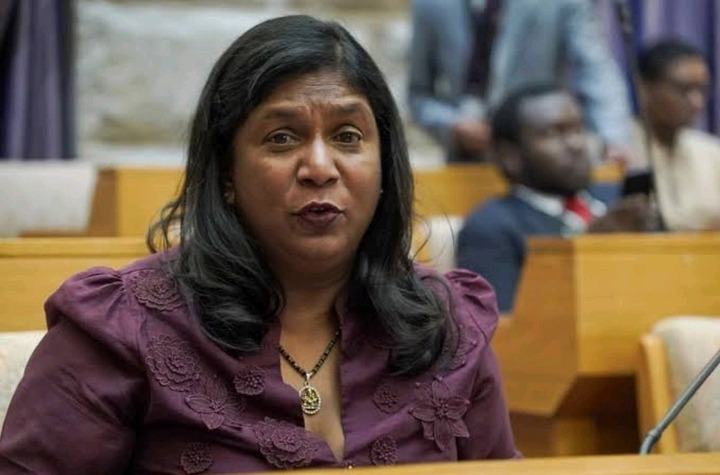
Advocate Andrea Johnson’s campaign to assume the position of South Africa’s next National Director of Public Prosecutions (NDPP) has faced renewed scrutiny as previous high-profile cases, including those involving General Dumisani Khumalo and former Eskom executive Matshela Koko, have reemerged during her interviews. Legal authorities assert that these cases, which were already contentious at the time, have now become pivotal in assessing Johnson’s qualification for the highest prosecutorial position in the country.
The hearings, conducted before a parliamentary committee responsible for scrutinising candidates for the NDPP position, have underscored concerns regarding Johnson’s management of sensitive investigations and her decision-making in cases that attracted public and political scrutiny. The Khumalo case, concerning allegations of malfeasance against the former military general, and the Koko matter, related to purported irregularities at Eskom, both garnered significant media attention and sparked considerable debate regarding prosecutorial discretion.
During the interview sessions, panel members enquired of Johnson regarding her methodology for evidence evaluation, compliance with due process, and the wider ramifications of results in high-profile cases. Observers observe that although Johnson has defended her record by highlighting her dedication to the rule of law and impartiality, the ongoing examination of these cases highlights the political sensitivities embedded within South Africa’s prosecutorial environment.
Legal analyst Thabo Maseko stated, “Any candidate for NDPP must demonstrate not only legal expertise but also the capacity to withstand political and public scrutiny.” Previous cases, especially those of national importance, inherently shape perceptions of neutrality and decision-making.
The appointment procedure for the NDPP, conducted by the Judicial Service Commission and Parliament, mandates that candidates exhibit integrity, competence, and independence. Johnson’s track record as an advocate and her leadership in prosecutorial roles are being assessed in light of the controversies associated with these historical cases, resulting in a nuanced evaluative context.
Stakeholders in civil society have conveyed their interest in the hearings, highlighting that transparency and accountability are essential for upholding public trust in the NDPP’s office. Many anticipate that the process will elucidate Johnson’s decision-making framework and offer valuable insights into how she may handle politically sensitive prosecutions if appointed.
As the interview process progresses, the resolutions of the Khumalo and Koko cases are expected to remain a central focus, underscoring the lasting influence of high-profile legal matters on the careers of South Africa’s leading legal professionals. The parliamentary committee is anticipated to conclude its recommendations in the forthcoming weeks, following which the President will determine the appointment.


