

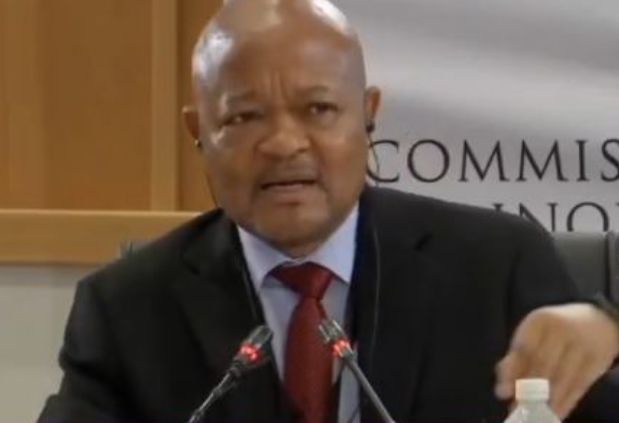
Political analyst Makhosini Mgitywa has delivered a blistering assessment of Police Minister Senzo Mchunu’s future, declaring that it is “game over” for the veteran politician amid mounting challenges within the security cluster.Mgitywa was speaking during a current affairs discussion this week, where he argued that Mchunu has lost political traction and public confidence. According to the analyst, the minister’s handling of crime, persistent policing failures, and rising public frustration have placed him in an untenable position.
“Minister Mchunu entered the portfolio with an enormous responsibility, but the results have been uninspiring,” Mgitywa said. “The levels of violent crime remain alarming, police morale is low, and leadership stability is lacking. Politically, it is game over for him.”
Mchunu was appointed to the Ministry of Police with expectations that his administrative experience would bring greater coherence and accountability within the South African Police Service (SAPS). However, Mgitywa believes the minister has struggled to find his footing or implement decisive reforms.
“He has not demonstrated the agility or strategic direction required to confront spiralling crime and organisational breakdown,” the analyst added. “That failure is eroding his legitimacy.”
Opposition parties have echoed similar sentiments, frequently criticising the minister for what they describe as slow responses to national security crises. In Parliament, Mchunu has faced tough questioning over policing inefficiencies, delayed interventions in crime hotspots, and persistent allegations of corruption within the SAPS.
While the Presidency has not commented on speculation surrounding a possible reshuffle, Mgitywa insists political dynamics are shifting. He believes Mchunu may no longer enjoy firm backing and could become a casualty in future cabinet changes as government faces pressure to tighten policing performance.
“South Africa is at a critical juncture on safety issues,” he argued. “Citizens are demanding action and accountability. Whoever leads the police ministry must inspire confidence and deliver results — and unfortunately, that is no longer associated with Mchunu.”
Political observers note that while analysts may read the signs, the minister remains in office and continues to deliver statements on policing strategy and national security. However, Mgitywa maintains that political survival is increasingly unlikely.
“He may not be removed immediately, but the political writing is on the wall,” he said.
As violent crime remains at the forefront of public concern, attention now turns to whether government will respond to growing criticism through policy shifts or leadership changes. For Mchunu, analysts suggest the coming months could determine whether he retains the portfolio — or becomes the latest casualty of South Africa’s turbulent policing landscape.


