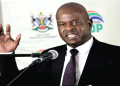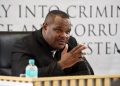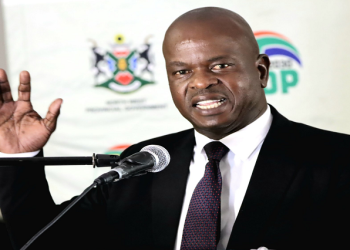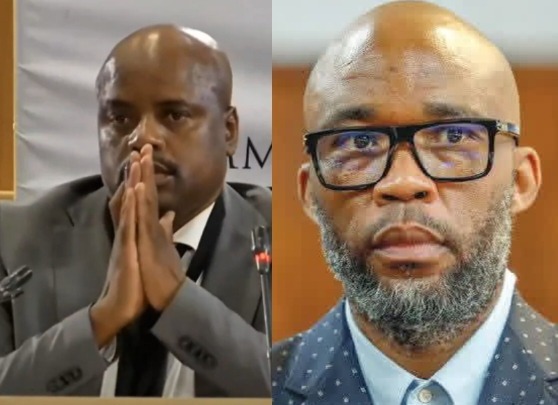
Suspended acting EMPD head Brigadier Julius Mkhwanazi returned to the public spotlight as he appeared before the Madlanga Commission of Inquiry in Pretoria. His testimony marks a critical moment in the probe into his conduct, particularly concerning two unlawful memorandums of understanding he allegedly signed with companies linked to Vusimuzi “Cat” Matlala. The commission is expected to question him on the circumstances that led to those agreements and the motivations behind them.
During his appearance, Mkhwanazi outlined how his interactions with Matlala began. He said the matter surfaced in 2022 when members of the EMPD’s SWAT unit, who operated under his leadership, informed him of a private security company known as Cat VIP Protection. According to him, the officers spoke highly of the company’s capabilities, presenting it as a team staffed by individuals with backgrounds in elite structures such as the special task force and the SANDF.
Mkhwanazi explained that this recommendation came at a time when the city of Ekurhuleni was preparing for the state of the city address, an event he said was accompanied by intelligence warnings. He stated that a report had been presented to the city regarding threats that required urgent security assessment. It was within this context that the SWAT unit’s endorsement of Cat VIP Protection seemed to carry weight.
He added that the unit “really talked up Cat VIP Protection,” portraying it as a highly skilled outfit capable of reinforcing city security. This led him to approach city official Mike van Wyk, whom he asked to facilitate an introduction to Matlala as part of preparations for the upcoming address.
The commission is now examining whether these early interactions formed the basis of the controversial MOUs, and whether Mkhwanazi acted within his authority when engaging with Matlala’s companies. His testimony is expected to shed further light on the nature of those agreements, the internal decision-making processes within the EMPD, and the extent of influence external actors may have held over city policing operations.
As proceedings continue, the inquiry will likely confront difficult questions about governance, accountability and the blurred lines between public institutions and private security interests.