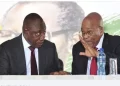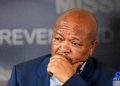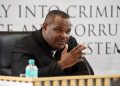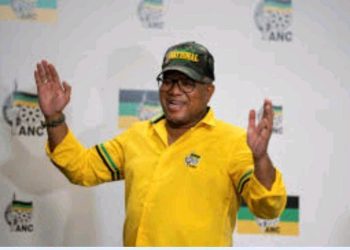
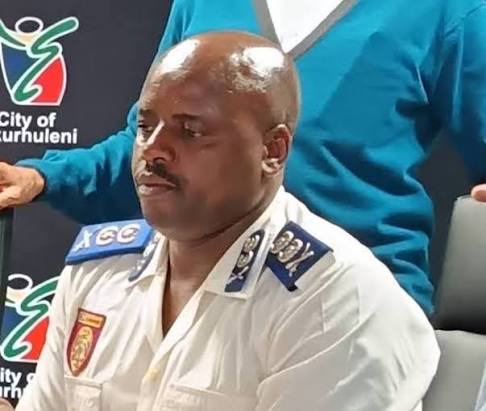
The revelations emerging from the Madlanga Commission have reignited growing public frustration over accountability within South Africa’s policing structures. New testimony indicates that when Brigadier Julius Mkhwanazi was appointed by the Ekurhuleni Metropolitan Police Department (EMPD), he asked for his salary package to be increased by R200 000 — a request that, according to the KZN Tonight Podcast, was “immediately approved.” The speed and scale of the approval have raised questions about oversight, due diligence, and the internal culture that allowed such a decision to pass without scrutiny.
Public reaction to the disclosure was swift and uncompromising. One online user demanded, “Remove Him Immediately,” while another insisted, “The money should recouped from the crook & those that played a role in this fraudulent scheme.” These comments reflect a broader sentiment that misconduct involving public funds cannot simply be absorbed or overlooked, especially within state institutions already facing credibility challenges.
The timing of the revelation has heightened its impact. As the Madlanga Commission continues probing allegations of irregularities and misconduct in various policing bodies, each new disclosure adds to the growing perception that some senior officials have exploited their positions for personal gain. The immediate approval of such a substantial salary increase raises concerns about whether proper processes were followed or bypassed.
For many South Africans, the issue is not just the R200 000 figure, but what it represents: a system vulnerable to manipulation. Salary adjustments of this magnitude, especially at the moment of appointment, would typically require strict justification, documentation, and multilayered approval. The idea that it proceeded without apparent resistance fuels suspicion that networks of influence may have played a role.
As public pressure builds, the Commission’s findings are likely to shape expectations for reform. The demands expressed online — for removal, recovery of funds, and accountability for all involved — mirror a growing insistence on clean governance. South Africans are increasingly unwilling to accept explanations that lack transparency, particularly where resources meant to serve communities may have been diverted through questionable decisions.
The Madlanga Commission’s ongoing work will determine whether the decision to grant the salary increase was an isolated lapse or part of a broader pattern. For now, the public’s message is clear: accountability must be visible, immediate, and uncompromising.