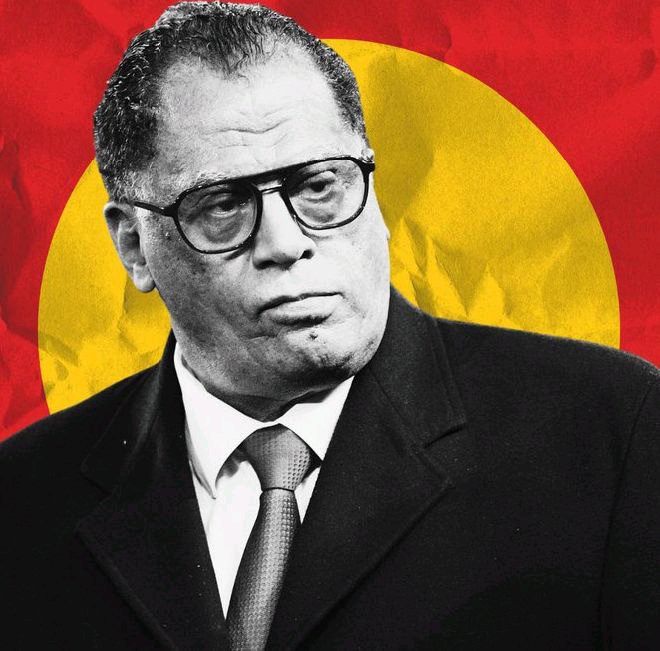
South African Football Association (SAFA) president Danny Jordaan is facing a significant setback in his bid for a fourth term as head of the country’s football governing body, with resistance emerging from within his own stronghold in the Eastern Cape.
Jordaan, a prominent figure in South African football and the architect of the nation’s successful 2010 FIFA World Cup bid, has led SAFA for more than a decade. His leadership has, however, been dogged by controversy in recent years, and his attempt to extend his tenure beyond the current term has encountered staunch opposition from regional affiliates that are critical to his support base.
The roots of the unrest trace back to disputes and dissatisfaction among local football associations in the Eastern Cape, where some regions have openly questioned Jordaan’s leadership and performance. This discontent is compounded by wider governance concerns within SAFA and alleged irregularities in regional football administration. In some areas, calls for transparent leadership and adherence to governance best practices have intensified, undermining Jordaan’s traditional support.
Sources close to the SAFA electoral process indicate that if the Eastern Cape delegates withhold their support at the upcoming SAFA elective congress, Jordaan’s hopes of securing another four‑year term could be seriously jeopardised. Analysts say this would mark a dramatic turning point in the association’s politics, given the Eastern Cape’s historical influence in national football structures.
Complicating matters further, several of Jordaan’s allies in regional football bodies have faced internal disputes, with some election outcomes being contested and described as controversial by local stakeholders. These tensions have contributed to a fractious atmosphere in the run‑up to the national congress, where the president’s leadership credentials will be tested.
Despite these internal challenges, Jordaan has made strides in securing SAFA’s financial future. In early March, the association announced a landmark four‑year sponsorship deal with Standard Bank, covering all South African national teams, a development Jordaan described as crucial for football development and sustainability.
The sponsorship deal, timed ahead of South Africa’s participation in the 2026 FIFA World Cup in the United States, Mexico and Canada, reflects an effort to shift focus toward growth and stability within the sport. Yet, the looming internal election battle highlights the stark contrast between SAFA’s off‑field commercial progress and the political fractures within its leadership ranks.
As the elective congress approaches, football stakeholders nationwide will be watching closely. Jordaan’s bid for a fourth term hangs in the balance, with the outcome likely to redefine the future leadership of South African football.