
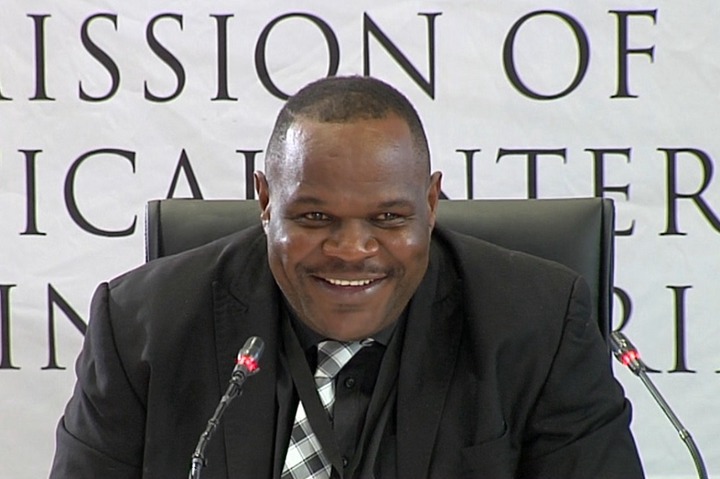
The courtroom fell silent as Fannie Nkosi took the witness stand, speaking with a calm and deliberate manner. There was no sense of urgency or theatricality in how he presented himself. Instead, his testimony carried the weight of seriousness that comes when people are attempting to make sense of something tragic that should never have occurred.
Nkosi provided the court with an important piece of information: Tebello Motsoane, known to many as “Tibz,” was the nephew of Mthakathi Mswazi. Though brief, this statement added another connection to an increasingly complex picture. In investigations of this nature, even the smallest details and relationships can help clarify what actually happened.
Tibz was more than just a name spoken in the courtroom. He was recognized by people in the creative world as someone who was generous with his time and support, someone who helped develop ideas and brought people together. On the night that his life ended, he was spending time with Kiernan Forbes, widely known as AKA. What should have been a normal evening out became a moment that left his family, his friends, and his admirers struggling to understand what had taken place.
Within the courtroom walls, the work focuses on establishing facts and evidence rather than exploring feelings. Yet it is difficult to separate the human reality from the legal process. Behind every piece of testimony are families carrying deep pain, working to understand why their loved one is gone. For these families, each detail shared in court is not simply information to be recorded—it represents part of their journey toward understanding and, eventually, finding some measure of peace.
Nkosi’s testimony did not attempt to interpret events or reach conclusions. Rather, it contributed to a careful, methodical process that requires patience and thoughtful consideration of what is being said. The legal system moves forward deliberately, not to create news stories or capture public attention, but to ensure that every person who speaks is truly heard and every fact is properly examined.
As the case unfolds, many people are reflecting on how suddenly and completely life can change in a single moment. The focus now is not on gaining attention or making headlines, but on finding truth—truth that is clear, honest, and able to bring some comfort to those who are still grieving.