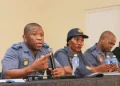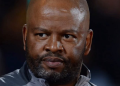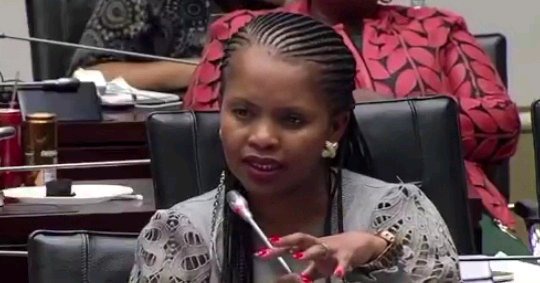
Tensions flared at the Madlanga Commission of Inquiry when commissioners openly questioned the reliability of testimony given by Sergeant Fannie Nkosi, telling him during proceedings that they did not believe he was being honest.
The confrontation took place while Nkosi was being questioned about incidents linked to ongoing investigations before the commission, which is examining allegations of corruption, political interference, and potential abuse of power.
As the session unfolded, commissioners raised concerns over inconsistencies in Nkosi’s statements, noting that some of his responses conflicted with earlier testimony and existing evidence presented to the panel.
The situation intensified when a commissioner interrupted Nkosi and bluntly told him he was not telling the truth, marking a sharp escalation in the tone of the hearing.
Observers pointed out that such direct accusations are uncommon but can happen when commissioners suspect a witness may be withholding key information or providing misleading answers.
In recent weeks, the commission has heard from a range of witnesses, including police officers, government officials, and others connected to the matters under review.
Since commissions of inquiry depend heavily on sworn testimony to piece together events and assess possible wrongdoing, the credibility of witnesses is essential. Legal experts note that when commissioners openly doubt a witness’s honesty, it often suggests a mismatch between their statements and other available evidence.
During the exchange, Nkosi tried to clarify his responses, but commissioners continued to press him for more precise answers, focusing on whether he had fully disclosed his role in the incidents under investigation.
Public attention on the inquiry has been steadily increasing as more details surface about alleged networks involving law enforcement and external actors.
Many South Africans are closely following the hearings, hoping they will bring clarity to the serious allegations and strengthen accountability and transparency.
The commission is still in the process of collecting testimony and reviewing evidence before delivering its final conclusions and recommendations.
It remains uncertain whether Nkosi will be called back for further questioning, but the moment when commissioners directly challenged his honesty has already become one of the most notable episodes of the inquiry so far.