Explosive testimony at the Madlanga Commission of Inquiry has shed new light on alleged political interference and irregular conduct within South Africa’s law enforcement structures, with a key witness claiming that an arrest warrant for social media personality Musa Khawula was shared with controversial businessman Vusimusi “Cat” Matlala under urgent instructions from senior police leadership.
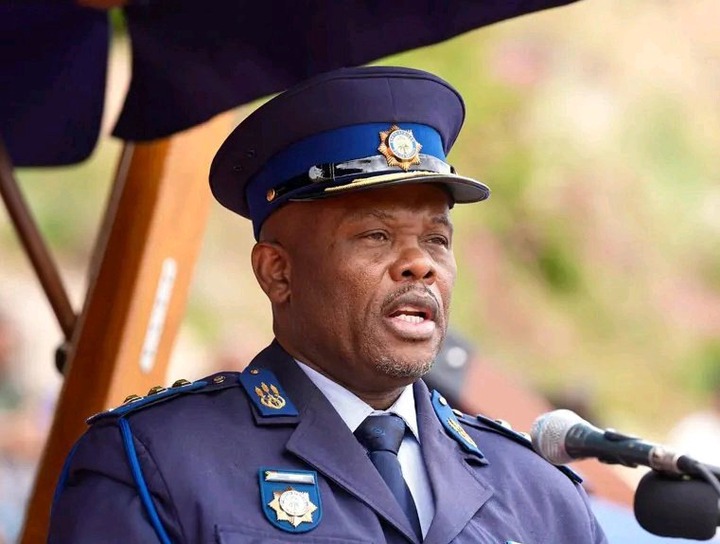
Testifying before the commission on Tuesday, Witness F told commissioners that he was instructed by Deputy National Police Commissioner for Crime Detection, Shadrack Sibiya, to urgently forward the arrest warrant to Matlala after police failed to locate Khawula for a scheduled weekday arrest. According to the witness, Sibiya emphasised that the matter was time-sensitive due to pressure from the office of Deputy Minister of Police Cassel Mathale.
“I was told that the arrest of Musa Khawula was urgent and that the instruction came from high levels,” Witness F testified. “General Sibiya made it clear that there was pressure from the Deputy Minister’s office, and I was instructed to send the warrant to Mr Matlala to assist in locating Khawula.”
The testimony raises serious concerns about the use of private individuals in sensitive police operations, particularly in cases involving politically connected figures. Matlala, who has been linked to several high-profile allegations and investigations, was reportedly asked to assist in tracking Khawula after law enforcement officers were unable to locate him at the address provided.
Legal experts following the proceedings say the allegations, if proven, could point to serious breaches of protocol, potential abuse of power, and unlawful sharing of classified documents.
“An arrest warrant is a highly sensitive legal document,” said criminal law expert Advocate Thandi Molefe. “Sharing such information with a private individual outside the SAPS structure would be a major violation of legal and ethical standards, and could have significant consequences for those involved.”
The commission is probing broader allegations of political interference, corruption, and manipulation of law enforcement processes, with several senior officials already implicated in controversial decisions and irregular practices. The revelations involving Khawula’s arrest have intensified scrutiny on the role of political offices in operational policing matters.
Deputy Minister Cassel Mathale’s office has not yet responded to the allegations, while Sibiya has previously denied any wrongdoing in related matters. Matlala has also not publicly commented on the claims made before the commission.
As the Madlanga Commission continues, further testimony is expected to unpack the extent of alleged collusion between political figures, senior police officials, and private actors. Observers say the findings could have far-reaching implications for accountability, police reform, and public trust in South Africa’s justice system.
The commission is scheduled to hear additional witnesses in the coming days as it builds a comprehensive picture of the alleged misconduct at the highest levels of law enforcement and government.