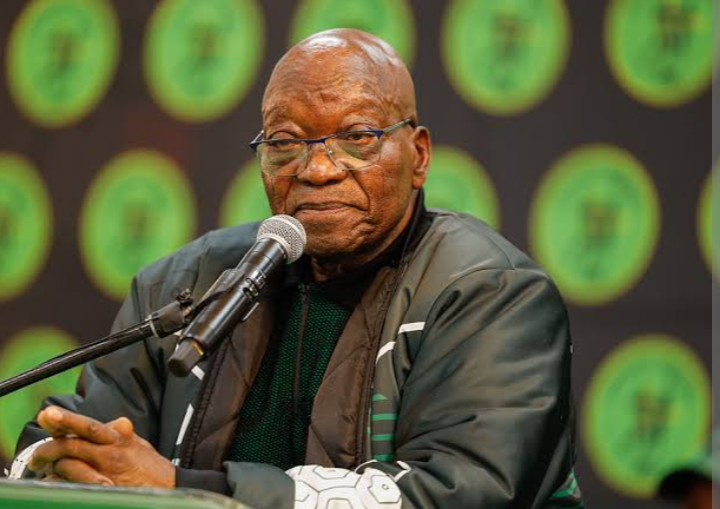
In a statement that has reignited political tensions, activists are warning that if Paul O’Sullivan is not arrested, former President Jacob Zuma must take legal action against the state. The call comes after an explosive incident in Parliament where O’Sullivan reportedly walked out of an Ad Hoc committee without authorization.
“This is unacceptable. If Paul O’Sullivan is not held accountable, President Zuma must sue the state for millions for the unlawful arrest that occurred on 7 July 2021. We will rally behind him,” declared leading activist X User.
The controversy traces back to the 2021 arrest of Jacob Zuma, which many of his supporters have long described as politically motivated. According to the activists, O’Sullivan’s actions at the committee represent yet another breach of parliamentary protocol and accountability.
Eyewitnesses report that during the committee session, O’Sullivan exited abruptly, ignoring requests from officials to remain until proceedings concluded. The incident has sparked fierce debate about parliamentary oversight, transparency, and the enforcement of legal norms in politically charged cases.
Legal experts say that if Zuma pursues a lawsuit for damages related to his arrest, it could open a precedent-setting case. “Claims against the state for unlawful arrest are rare but significant, particularly when linked to high-profile political figures. Such a case would attract intense scrutiny both locally and internationally,” said Nomusa Dlamini.
Activist groups have announced plans to organize rallies supporting Zuma, citing the incident as evidence of continued political targeting. “This isn’t just about one man—it’s about ensuring that justice and accountability apply equally, even to powerful officials like Paul O’Sullivan,” said X User.
The Department of Justice has not yet responded to requests for comment, and O’Sullivan has remained silent on the matter. Meanwhile, political analysts predict that the fallout could intensify divisions within Parliament and among Zuma’s supporters nationwide.
The incident has once again highlighted the ongoing tension between legal authority, political loyalty, and citizen activism in South Africa, raising questions about how such high-profile conflicts should be addressed in a democratic society.