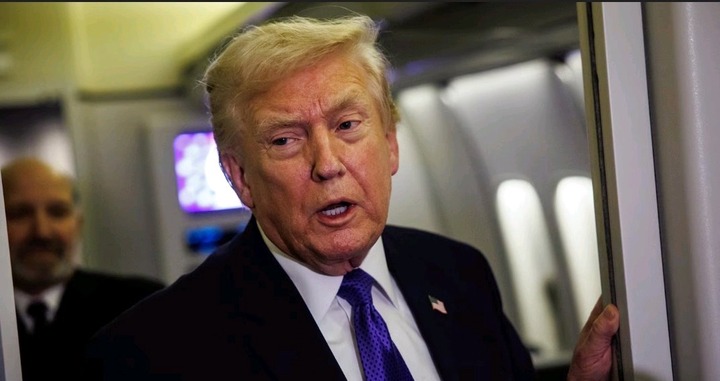
US President Donald Trump has dispatched the largest-ever American delegation to Cape Town, drawing significant attention to the evolving diplomatic relationship between the United States and South Africa. The unprecedented scale of the delegation underscores Washington’s commitment to strengthening ties with Pretoria at a time of shifting global economic and political dynamics.
According to officials familiar with the visit, the mission is designed to deepen economic cooperation, expand political collaboration, and unlock new investment opportunities across key sectors. Trade, technology, energy, and infrastructure are expected to feature prominently in discussions. By bringing together senior government representatives, business executives, and policy advisers, the United States appears to be adopting a comprehensive approach that blends diplomacy with commercial engagement.
Analysts say the presence of a large delegation often signals intent to move beyond symbolic gestures toward concrete agreements. American companies are reportedly exploring partnerships in infrastructure development, digital innovation, and sustainable energy projects. South Africa, meanwhile, is seeking to position itself as a strategic gateway to broader African markets, making the visit particularly timely.
Public reaction has been mixed. Supporters argue that the move demonstrates strategic foresight and could generate mutual economic benefits, create jobs, and encourage knowledge exchange. Critics, however, have questioned the cost and scale of the delegation, emphasizing the need for measurable outcomes that justify the resources invested.
The visit comes as South Africa intensifies efforts to attract foreign direct investment and strengthen global partnerships. Experts suggest that discussions held in Cape Town could lay the groundwork for future trade agreements and joint initiatives, potentially reshaping bilateral relations for years to come.