
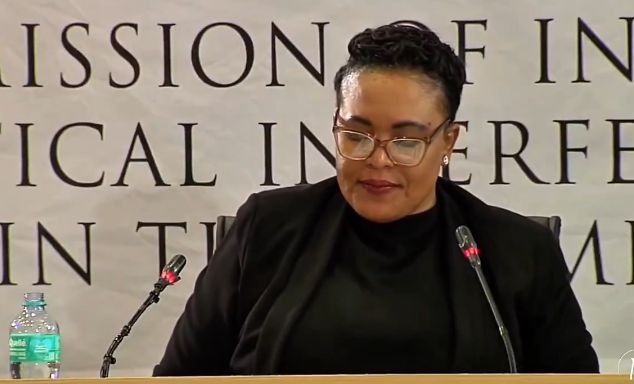
A text message sent by South African Police Service (SAPS) Brigadier Rachel Matjeng to Vusimuzi “Cat” Matlala has emerged during ongoing inquiries into her personal and professional conduct, raising eyebrows over the nature of their communication.
In the message, Brigadier Matjeng reportedly pleaded with Matlala, stating: “Please borrow me a car, and I’m crying that I don’t have a car.” The text, part of evidence submitted to oversight authorities, highlights the unusual personal interactions between the high-ranking police officer and Matlala, whose own career within SAPS has been marked by controversy.
During a recent session, questions were raised about the appropriateness of Matjeng’s correspondence and whether it could have implications for her official duties. Critics have noted that while officers are permitted private communications, the tone and content of messages like these may blur professional boundaries.
Brigadier Matjeng, who serves as Section Head for Quality Management at Forensic Services in Pretoria, has previously defended her relationship with Matlala as personal and consensual, insisting that it does not interfere with her professional responsibilities. “My interactions with Mr. Matlala are personal,” she said. “They do not influence my work or judgment as a senior police officer.”
Analysts observing the case suggest that such messages, while seemingly innocuous, can fuel public concern over conflicts of interest within SAPS. “The perception of impropriety is often as damaging as impropriety itself,” said political analyst Thabo Mokoena. “When senior officers engage in personal requests with individuals whose roles intersect with their professional sphere, scrutiny is inevitable.”
The revelation comes amid broader efforts by SAPS oversight bodies to ensure accountability and integrity among high-ranking officers. It also follows previous inquiries into Matjeng’s professional conduct, including questions about her involvement with other colleagues and her management of forensic operations.
While some have dismissed the message as a simple personal plea, the authorities continue to review all communications to ascertain whether any ethical or procedural lines were crossed. SAPS has reaffirmed its commitment to transparency and the enforcement of strict codes of conduct.
The case of Brigadier Matjeng and Vusimuzi Matlala serves as a reminder of the delicate balance required when personal relationships intersect with positions of public trust. Observers note that maintaining professional boundaries is essential to uphold public confidence in law enforcement institutions.