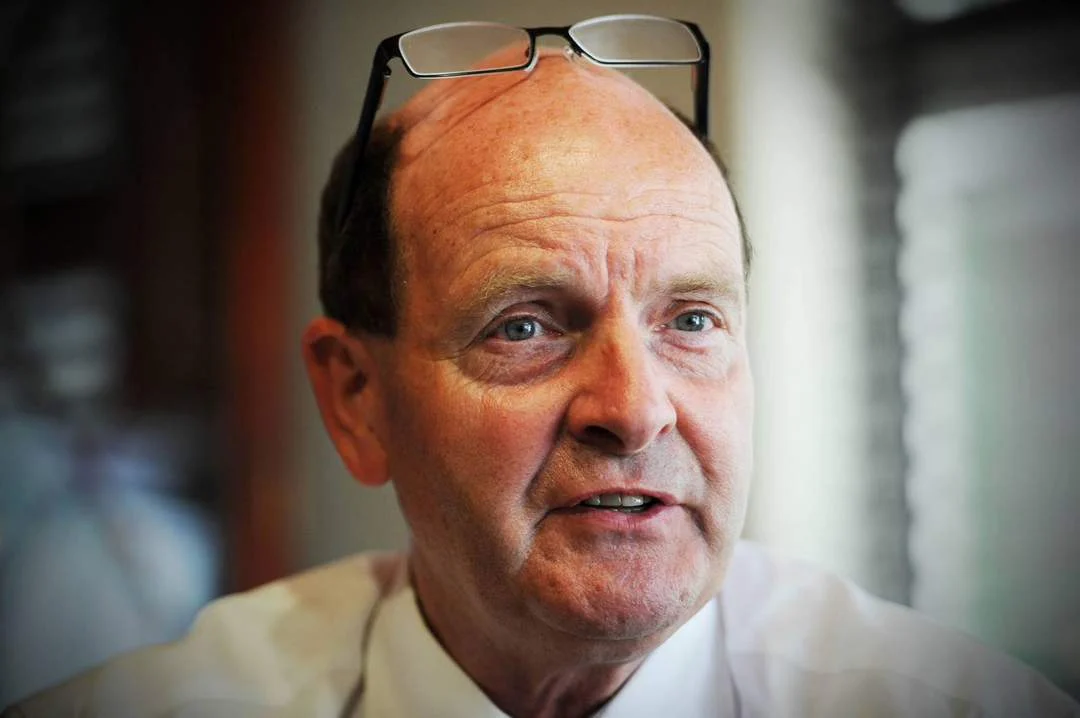
Forensic investigator Paul O’Sullivan has formally declined to physically appear before a parliamentary ad hoc committee, citing grave security concerns that have compelled him to remain more than 10 000 kilometres away from South Africa.
In a written submission to Parliament, O’Sullivan explained that persistent threats to his safety make any return to the country untenable at this stage. He argued that appearing in person would expose him to unacceptable risk, given what he described as a long-standing pattern of intimidation linked to his investigative work.
The committee had sought O’Sullivan’s testimony as part of its oversight mandate, expecting his physical presence to enable direct questioning. However, the investigator maintained that distance is not an act of defiance, but a matter of survival. He indicated that his decision was taken after careful consideration of intelligence and personal security assessments, which advised against travel.
O’Sullivan stressed that his refusal does not amount to non-cooperation. On the contrary, he has offered to engage with the committee through alternative means, including written submissions or virtual testimony, provided adequate safeguards are in place. He argued that modern parliamentary processes should accommodate remote participation, especially where credible threats exist.
The development has sparked debate within political and legal circles. Some lawmakers have expressed concern that remote testimony could weaken the committee’s ability to interrogate evidence robustly. Others, however, acknowledge that witness safety must take precedence, particularly in cases involving allegations of corruption and organised crime.
Legal analysts note that parliamentary committees are empowered to summon individuals, but they also carry a responsibility to ensure that such processes do not endanger lives. They argue that refusing to consider secure virtual options could deter whistleblowers and investigators from coming forward in future.
O’Sullivan, known for his uncompromising stance against corruption, reiterated that his work has previously placed him in harm’s way. He warned that dismissing security realities would send a chilling message to those willing to expose wrongdoing.
As the ad hoc committee deliberates its next steps, the standoff highlights a broader tension between parliamentary authority and personal safety. The outcome may well set a precedent for how South Africa’s democratic institutions engage witnesses who operate under credible threat—balancing accountability with the fundamental right to security.