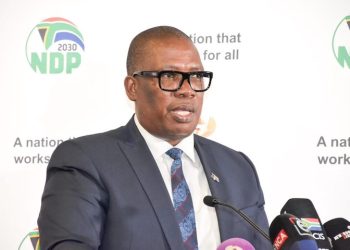

The newly appointed National Director of Public Prosecutions (NDPP) has shed light on the intricate nature of one of the nation’s most vital legal roles, revealing that his name came into consideration only after an earlier hiring attempt did not find a suitable candidate. In his first public appearance since taking up the role, the NDPP shared that he was contacted after six other candidates who had been interviewed were turned down.
He characterized the surprising yet obligation-driven moment as a response to his “duty to serve,” clarifying that he was invited to submit his name after the six individuals were not successful. In recent years, the National Prosecuting Authority (NPA) has faced challenges with leadership instability, a lack of skills, and diminished public trust; this disclosure has highlighted these concerns once again.
According to analysts, the extended search for a fitting NDPP reflects the significant demands of the position, especially considering the current pressure to revive stalled investigations into corruption and state capture. The NDPP emphasized that his appointment should be measured by outcomes rather than processes. He vowed to accelerate long-overdue complex cases, enhance internal responsibility, and support prosecutorial independence.
He maintained that courageous prosecutions grounded in evidence are essential for reinstating the NPA’s credibility. While civil society groups and opposition parties have called for greater transparency from the NDPP regarding high-level appointments, they have also acknowledged his commitment to openness. To avoid further delays in filling key roles, some have urged Parliament to provide additional oversight.
The Presidency has defended the appointment by stating that expertise, integrity, and the needs of the institution were the key factors in the final choice. Legal analysts anticipate that the public will closely monitor the new NDPP’s initial decisions to determine whether the new leadership can rebuild trust in the judicial system and deliver tangible outcomes.