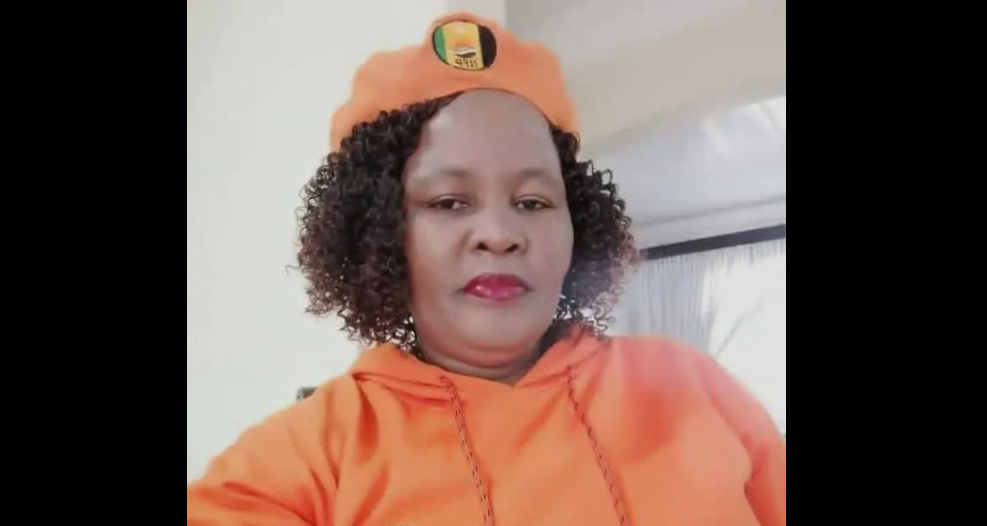
The political drama in KwaZulu-Natal took a sharp turn as Speaker of the Legislature, Nontembeko Boyce, quickly responded to the National Freedom Party’s (NFP) instruction to recall Mbali Shinga, the party’s sole MPL in the provincial house.
In a firm stance, Speaker Boyce informed the NFP that she cannot act on their directive, citing that Shinga has not violated any rules or procedures of the legislature that would warrant her removal. The decision reinforces the principle that party directives alone do not automatically override the standing rules governing legislative conduct.
The NFP had attempted to exercise what they viewed as internal party authority, seeking to recall Shinga from her position in the legislature. Such moves are not unprecedented in South African politics, where parties sometimes clash internally over loyalty, policy direction, or leadership disputes. However, the Speaker’s intervention underscores the autonomy of parliamentary procedure and the legal boundaries within which parties must operate.
Boyce’s statement has sent a strong message to political parties across the province: legislative rules cannot be bypassed, and the integrity of the house must be preserved regardless of internal party dynamics.
The NFP has yet to publicly respond to the Speaker’s rejection, leaving questions about the party’s next steps and whether this conflict could escalate into a legal or political battle. Observers note that such disputes can strain relationships within provincial legislatures and draw national attention, particularly when high-stakes positions are involved.
For now, Shinga remains in her seat, continuing her work as the NFP representative in the KwaZulu-Natal Legislature. Political analysts suggest that this episode may prompt the party to reassess its internal decision-making and communication processes to avoid further public setbacks.
The incident highlights the delicate balance between party authority and legislative independence, a recurring theme in South Africa’s complex political landscape.
As the province watches closely, all eyes remain on the NFP and how it will navigate the fallout from this rebuke. One thing is clear: in KwaZulu-Natal’s legislature, procedural rules hold firm, and Speaker Boyce has demonstrated her commitment to upholding the law and protecting the rights of individual members.
The situation serves as a timely reminder that political influence has limits, and that even internal party decisions must respect the framework of democratic governance.